
Discover Menu
Reference Design Phase Overview
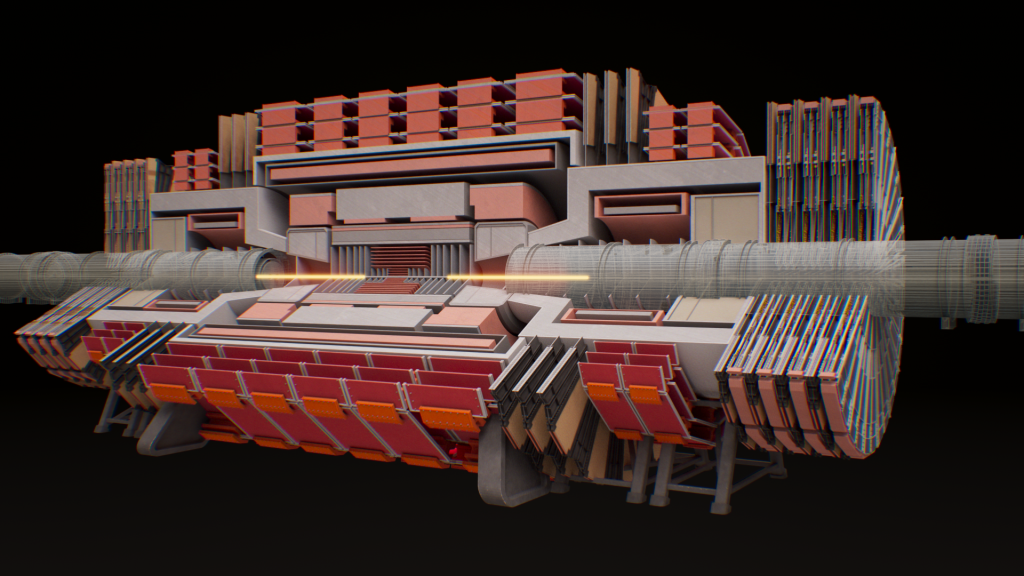
Physics, Experiments and Detectors (PED)
is one of the main organisational pillars of the FCC project and is responsible for developing the scientific case and the experimental vision for the future collider programme. At CERN, PED is associated with the Research and Computing sector, but its contributors are distributed across universities and institutes in many countries.
PED objectives, scope and deliverables during the FCC-ee Reference Design Phase
The FCC Reference Design Phase (2026-2028) global objectives are to increase the maturity of the overall project technical design and to refine the integration scenarios in view of the CERN Council decision. Prototyping of critical systems and reinforcing the global collaboration are also essential to establish the foundations for the FCC-ee experimental programme. The PED pillar contributes through:
- Continuation of the development of specific conceptual detector designs with the international high-energy physics community
- Consolidation of interaction region layouts and detector integration
- Background mitigation strategies and machine–detector interface optimisation
- Development of a common computing architecture model and finalisation of a common software/analysis framework
- Realistic implementation of some of the algorithms needed to confirm the experimental systematic uncertainties on electroweak precision observables
- Coordination of the theory community to address the corresponding theory challenges for the FCC-ee
- Assessment of the physics case, feasibility, and schedule implications for different centre-of-mass energy stages
- Streamlining and optimisation of the procedures for centre-of-mass energy calibration and for possible monochromatic operation at 125 GeV to explore the electron Yukawa coupling
- Proposal for staging implementation and improvements of the (staged/descoped) FCC-ee.
These activities are aimed at demonstrating feasibility, integration compatibility and cost realism for the FCC-ee detectors, without committing to a final detector selection or to experiment collaborations forming. Expressions of interest for FCC-ee detectors will be invited after the project approval, with a view to moving towards detector conceptual design reports by 2033.
Support & Partners
We gratefully acknowledge the following supporting entities, partners and colleagues:
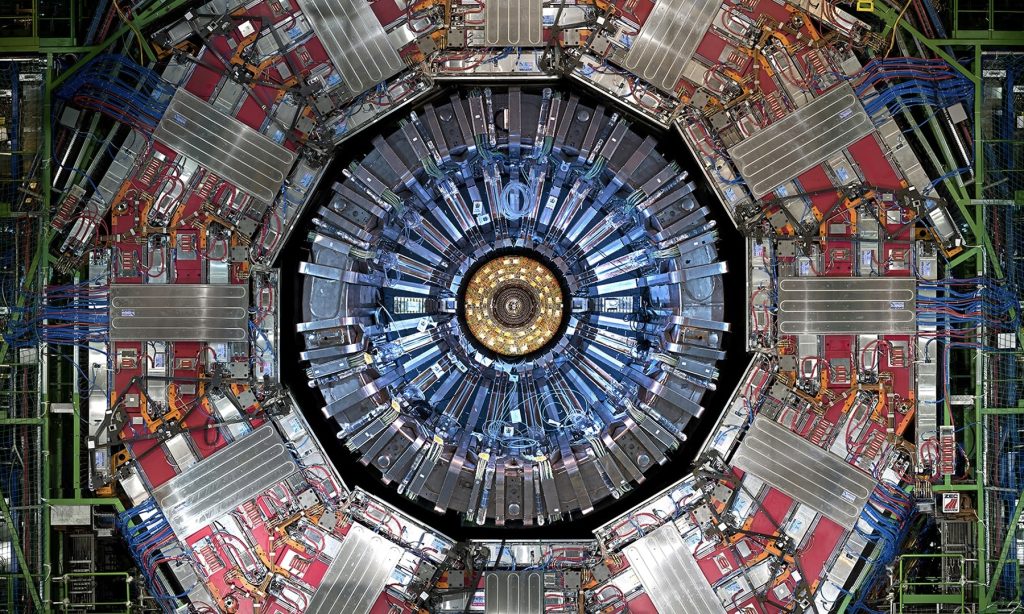

FCC Collaboration Institutes
Physics studies, detector R&D and all Work Packages are managed by a worldwide network of HEP institutes. To learn more about the organisation please explore the “for collaborators” menu above