
Discover Menu
People of the FCC “Physics, Experiments & Detectors” Pillar
Who are we?
The FCC “Physics, Experiments and Detectors” (PED) group is one of the pillars of the FCC project, alongside “Accelerators”, “Civil Engineering”, “Territorial Engagement”, “Systems Integration”, and the overall Project Planning Office.
At CERN, PED is part of the Research and Computing Sector that groups Experimental, Theoretical and Information Technology scientists.
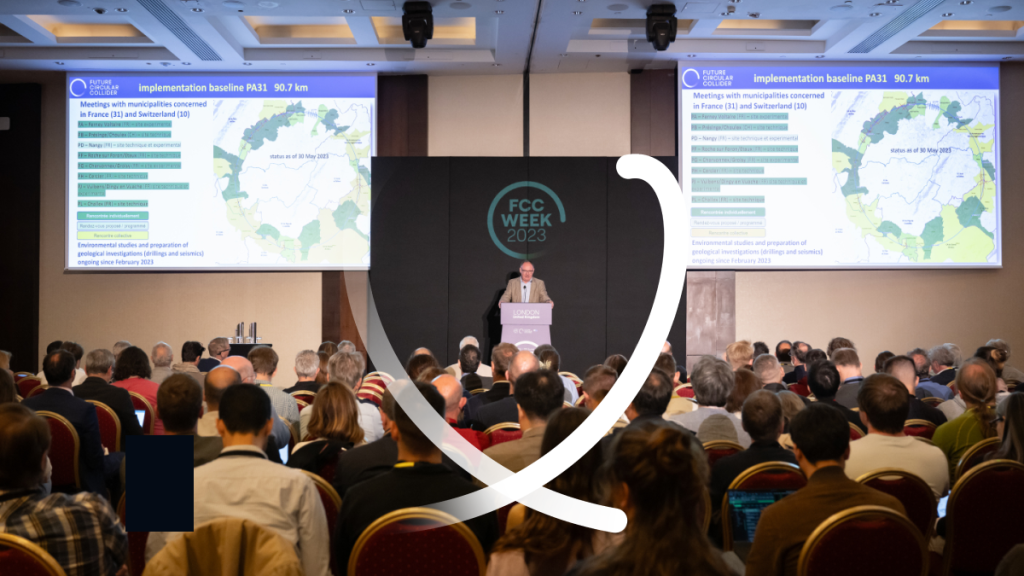
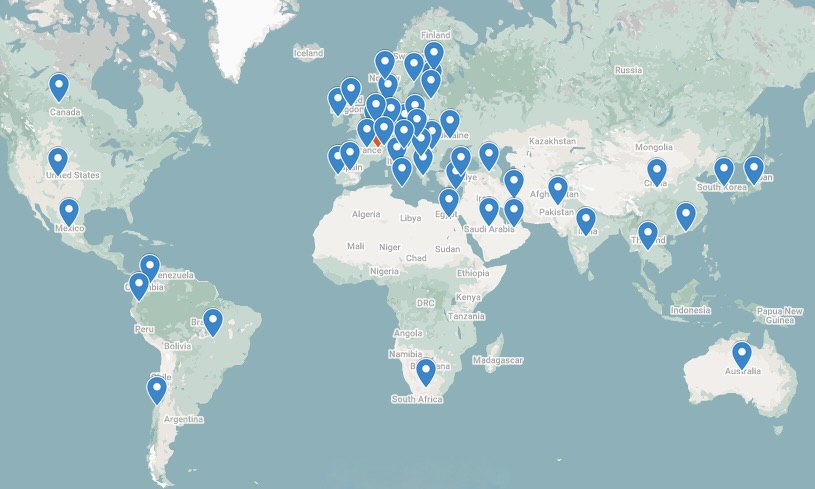
However, most PED scientists are based in research institutes and universities across more than 40 countries.
What do we do?
During the FCC feasibility study phase (2021–2025), PED’s mission was to build a compelling scientific case by investigating:

The physics reach of an electron-positron collider (FCC-ee), both standalone and in combination with a future propton-proton collider (FCC-hh)
The theoretical developments and calculations required to fully exploit the expected experimental precision

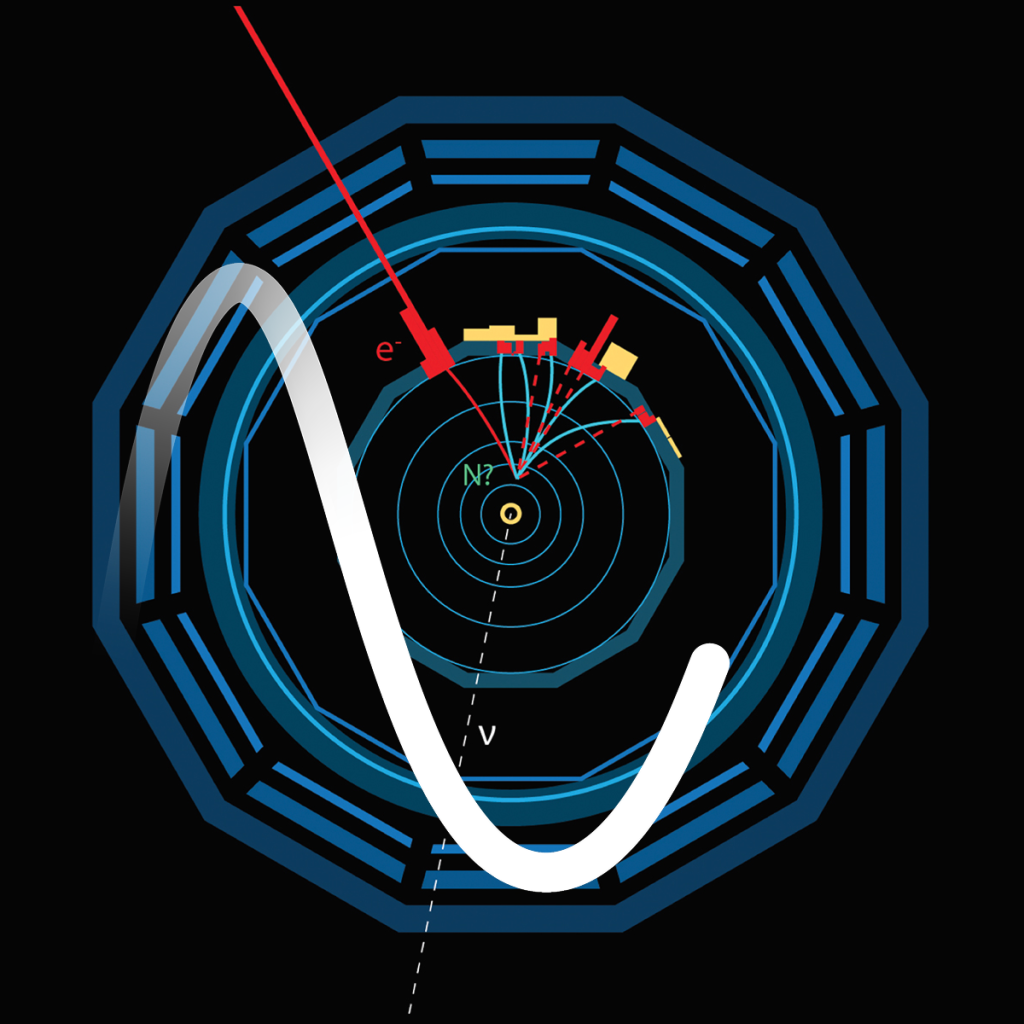
The corresponding detector subsystem requirements and how these could be integrated into a set of complete detector concepts

The necessary software tools and computing architecture

The interaction region layout and the requirements imposed by the experiments on the collider beam characteristics
Why?
Explaining why we consider the FCC project as scientifically essential, technically achievable, and valuable for both society and the high-energy physics (HEP) community calls for an ongoing dialogue with diverse audiences.
An expanding set of resources can be found in a dedicated tab.
Where?
In particle physics terminology, detectors refer to the experimental devices themselves, while experiments denote the large international collaborations that design, build, operate, and continuously upgrade these detectors, analyse the data, and extract physics results.
In this sense, the future FCC experiments will closely resemble the current LHC Collaborations, such as the ATLAS (https://atlas.cern) and CMS (https://cms.cern) Collaborations. Explore the “International” section of the “Collaborators” menu to learn more about the meetings, conferences, and partnerships through which PED participants help shape the future.
When did the adventure begin?
EPS-HEP Conference
First ESPPU Update
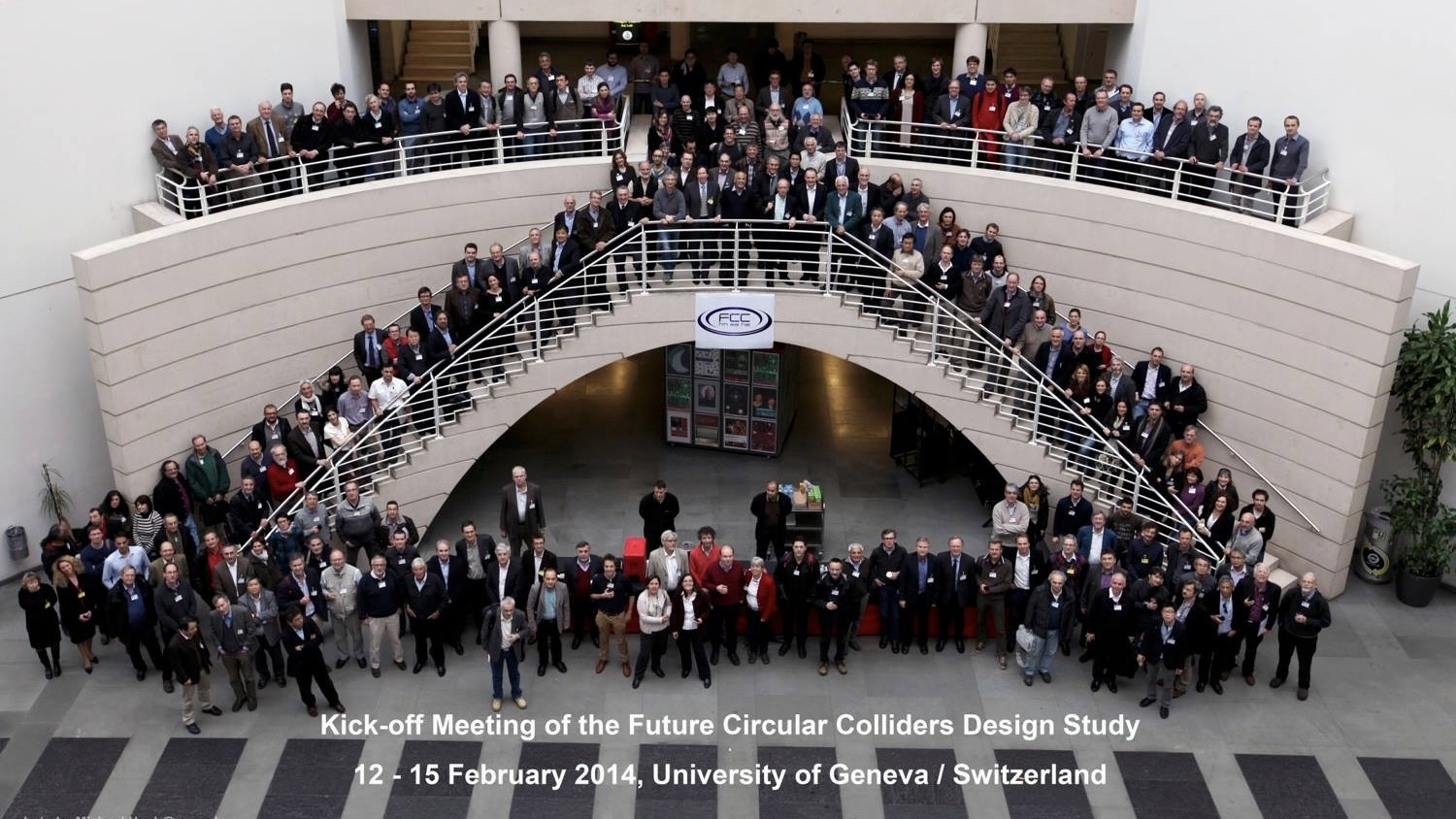
FCC kick-off meeting in Geneva
Vibrant ESPPU meeting in Granada
FCC physics studies
Detector Ru0026D
FCC Feasibility Report
PED moves forwards
The Timeline page will tell you more about this 15 years long adventure