Discover Menu
Timeline
Explore highlights and key moments from this 15-year-long adventure.
2005 – 2013
Early Days


2005 to 2006
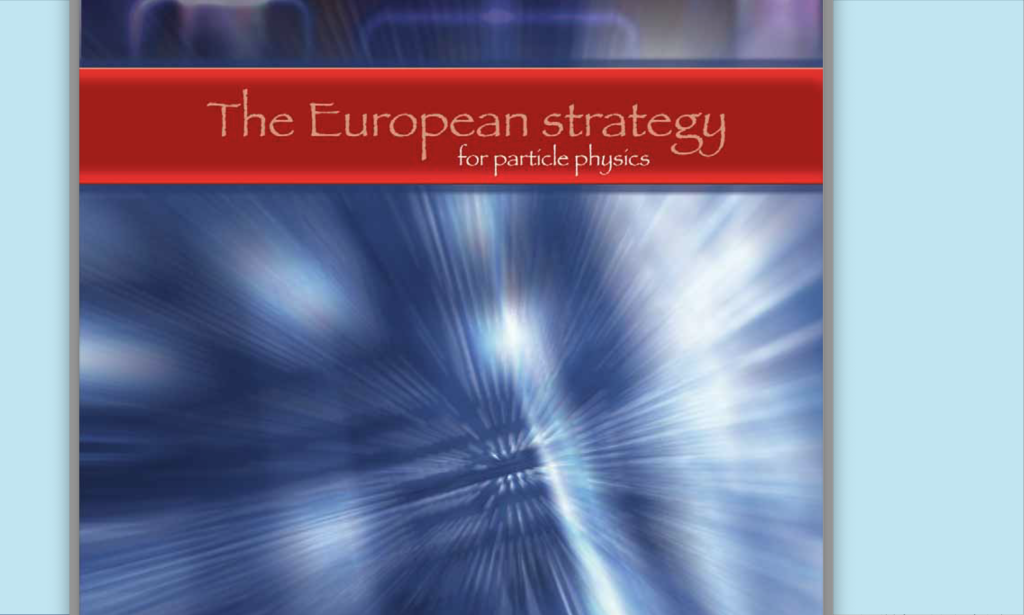
A Strategy for the European Particle Physics
In 2005, the CERN Council decides to set up a scientific advisory group, the “European Strategy Group” (ESG), to organise a bottom-up consultation of the full community and propose a strategy for the decade to come. Its recommendations are discussed and approved by the CERN Council in July 2006. Beyond the support for LHC and its future luminosity upgrade, two linear collider projects are mentioned: CLIC and ILC. Link to the 2006 Strategy Brochure
October 2010
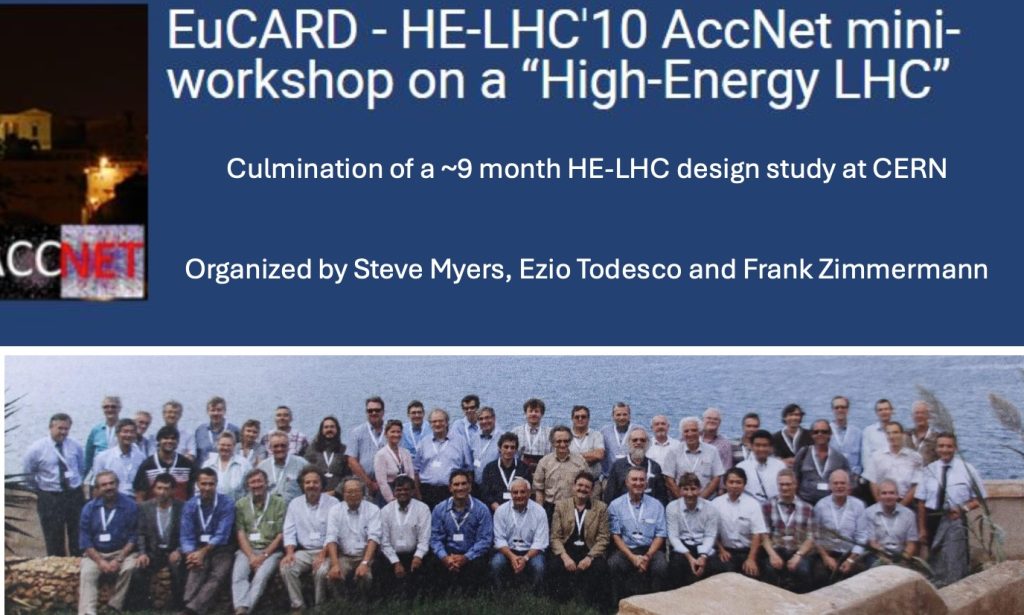
What about a high energy LHC ?
A task force, led by the CERN Director of Accelerators and Technology, Steve Myers, reviews all existing proposals. The discussion continues through the EuCARD project “Malta workshop”, and the conclusions drafted by Frank Zimmermann are clear: given the physics case, circular collider design parameters and magnet technologies, CERN needs a new and larger hadron collider ring, with a circumference between 80 and 100 km. Link to the Malta workshop proceedings
July 2011
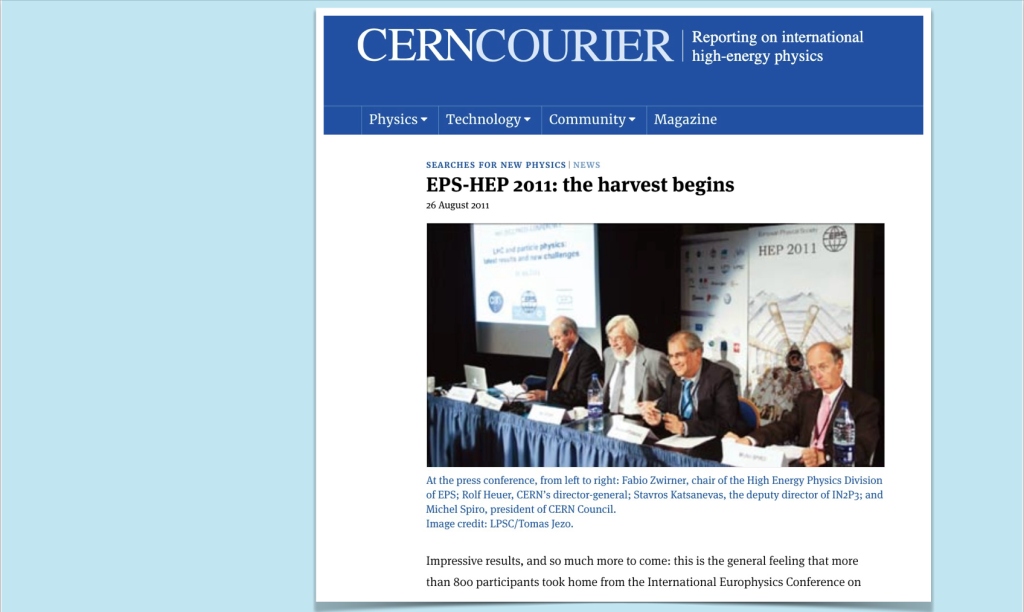
EPS-HEP Conference in Grenoble.
Ellusive hints of a Higgs boson with mass 140 GeV in ATLAS and CMS data (which will vanish with more integrated luminosity) and the exclusion by the same data of a heavier Higgs boson trigger impromptu discussions: if we were to use the LEP tunnel again for e+e- collisions in a new LEP3 machine, what luminosity could be achieved? With what precision would a Higgs boson with a mass between 115 and 140 GeV be characterised? Link to a CERN Courier article: Great Times in Grenoble
December 2011
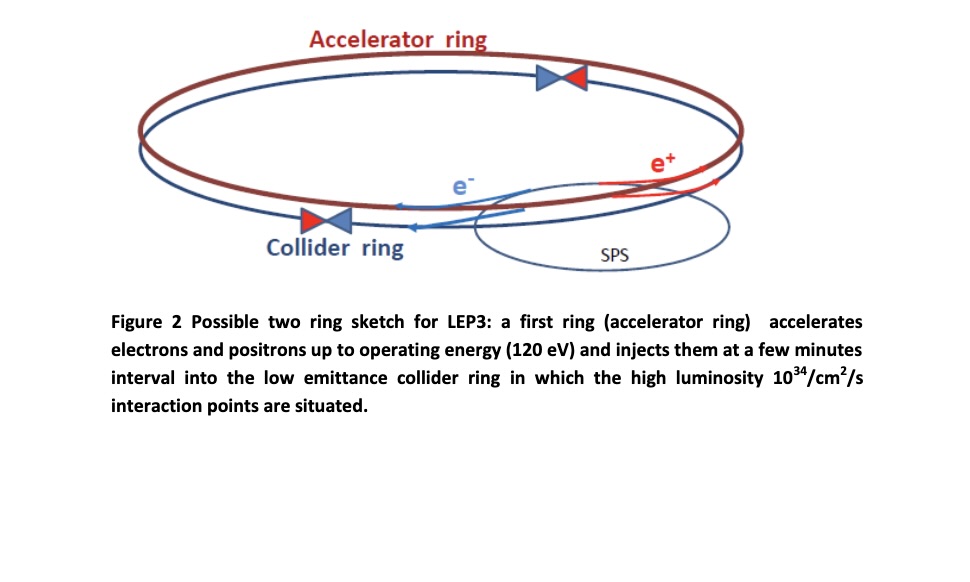
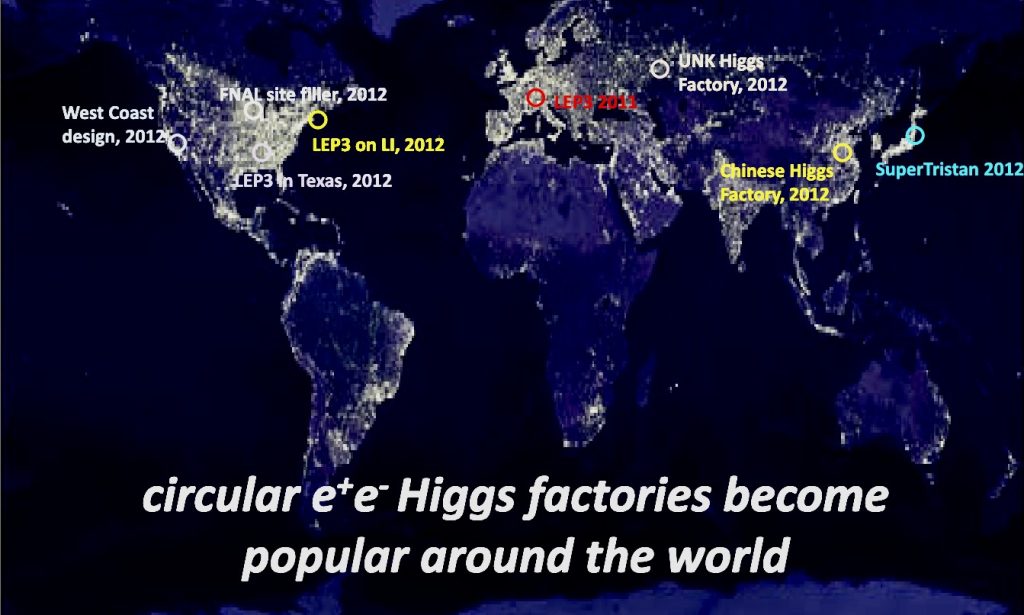
First Circular Higgs Factory (LEP3) Paper
Alain Blondel and Franck Zimmermann formalise the above question by sending the preprint entitled A High Luminosity e+e- Collider in the LHC tunnel to study the Higgs Boson to members of the CERN Scientific Policy Committee (SPC). At the same time, with the first convincing signs of a Higgs boson at a mass of 125 GeV in ATLAS and CMS, a small group of CMS physicists led by Patrick Janot is set up to study the LEP3 physics case with the CMS detector for Higgs studies at √s = 240 GeV, but also for the measurement of electroweak precision observables at the Z pole and the WW threshold.
Summer 2012
Introducing TLEP
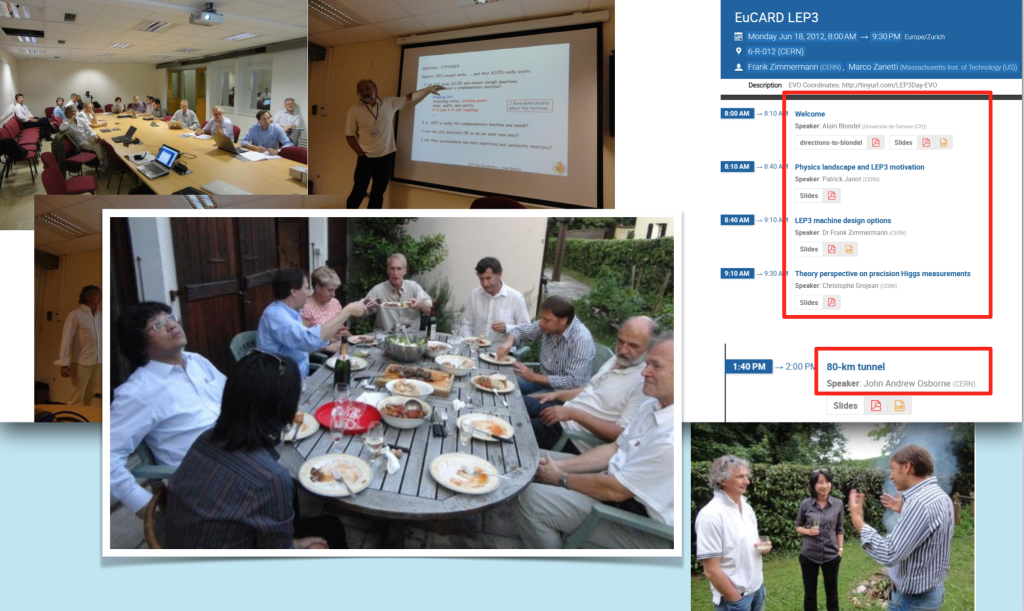
At the first EuCARD LEP3 Day meeting, in June 2012, about 40 participants discuss physics cases, Higgs studies, beam dynamics and hardware. But rumours about a larger tunnel have spread and an “invited talk” gives food for thought. Encouraged by Roy Aleksan, Frank Zimmermann composes a first set of parameters and introduces the name TLEP in July 2012, at SLAC. Hosting the circular e+e- collider, natural precursor of the 100 TeV VHE-LHC machine, in the same tunnel, is among the most attractive solutions proposed so far. Moreover, the combination “builds up a long-term vision for particle physics”.
The public announcement of discovery of the Higgs boson by the ATLAS and CMS experiments, on 4 July 2012, reinforces the growing interest in future Higgs factories.
November 2012
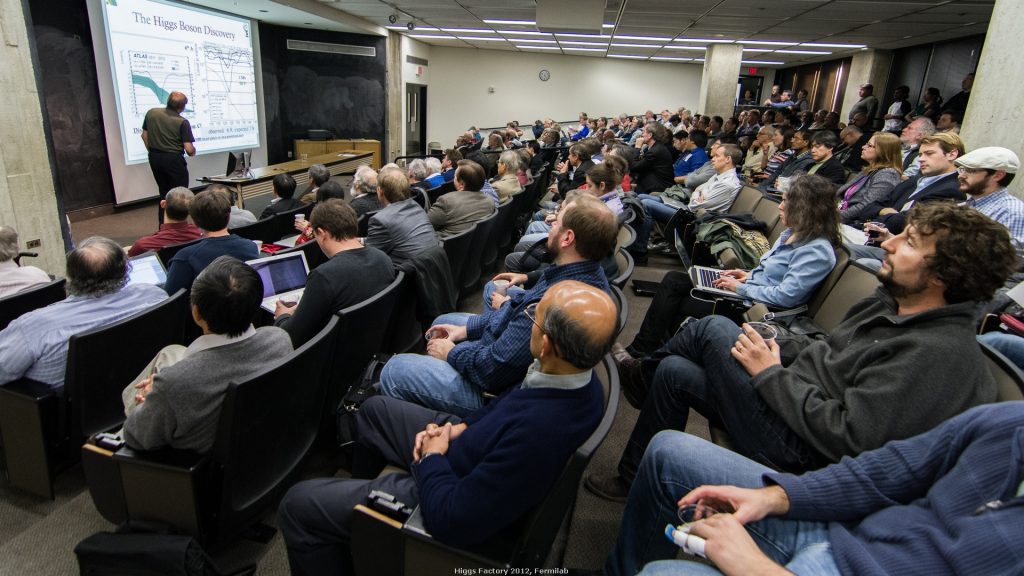
ICFA workshop at Fermilab
The idea of a “Higgs factory” has spread in the full HEP community, from Asia to Europe and North America. But which one? Linear e+e- colliders, circular e+e- colliders, muon collider or photon colliders ? The ICFA (International Committee for Future Accelerators) Workshop “Accelerators for a Higgs Factory: Linear vs. Circular” (HF2012)” leads to the first official recommendation for a realistic conceptual study. Link to the report
May 2013
The 1st update of the European Strategy for Particle Physics is endorsed by the CERN Council.
It recommends that “CERN should undertake design studies for accelerator projects in a global context, with emphasis on proton-proton and electron-positron high-energy frontier machines. These design studies should be coupled to a vigorous accelerator R&D programme, including high-field magnets and high-gradient accelerating structures, in collaboration with national institutes, laboratories and universities worldwide”.
The work invested in the last years is compiled by Alain Blondel and Patrick Janot, in summer 2013, in the TLEP Design Study Working Group report, First look at the physics case of TLEP . Discussions continue in the Snowmass 2013 Meeting Report.
2014 – 2020
Building the complete physics case
February 2014
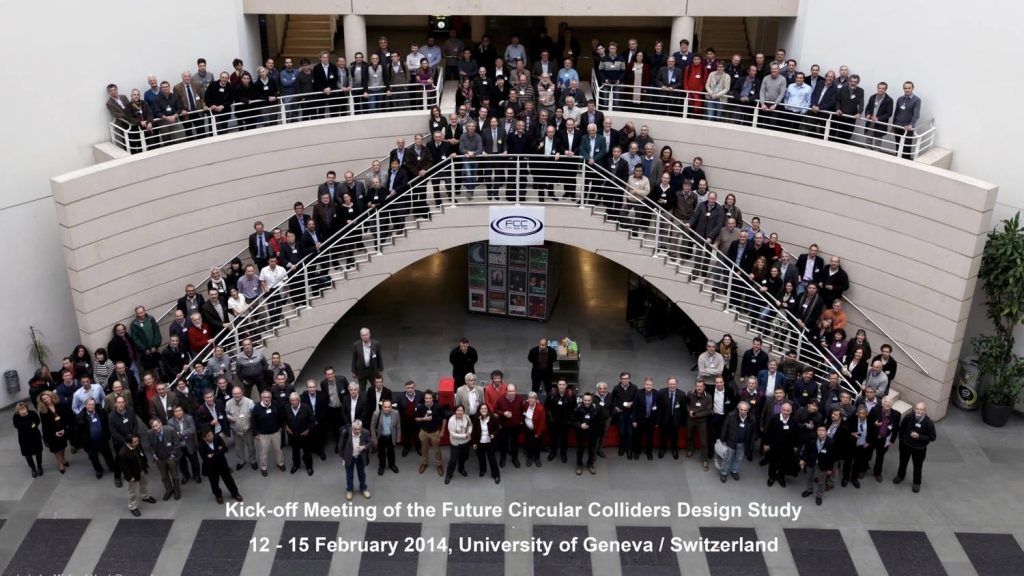
FCC Collaboration kick-off meeting, University of Geneva.
In 2005, the CERN Council decides to set up a scientific advisory group, the “European Strategy Group” (ESG), to organise a bottom-up consultation of the full community and propose a strategy for the decade to come. Its recommendations are discussed and approved by the CERN Council in July 2006. Beyond the support for LHC and its future luminosity upgrade, two linear collider projects are mentioned: CLIC and ILC. Link to the 2006 Strategy Brochure
February 2015 to 2018
Theory: new calculations and models will be needed
The engagement of the theoretical community is explicitly acknowledged in the conclusions of the FCC-ee (TLEP) physics workshop organised in Pisa: in order to translate the expected measurements precision into new (BSM) physics, one needs to improve calculation precisions by factor 20, and to invent “new things to measure”.
One of the organisers comments that “if the motivation and the quality of work and people is obvious, the low quantity (of people) is still worrying”. Working groups involving both experimentalists and theorists are setup, and the first two FCC Physics Workshops are organised, in January 2017 and 2018, by the CERN TH Department. They count up to 185 registered participants.
Mid 2015 to 2016
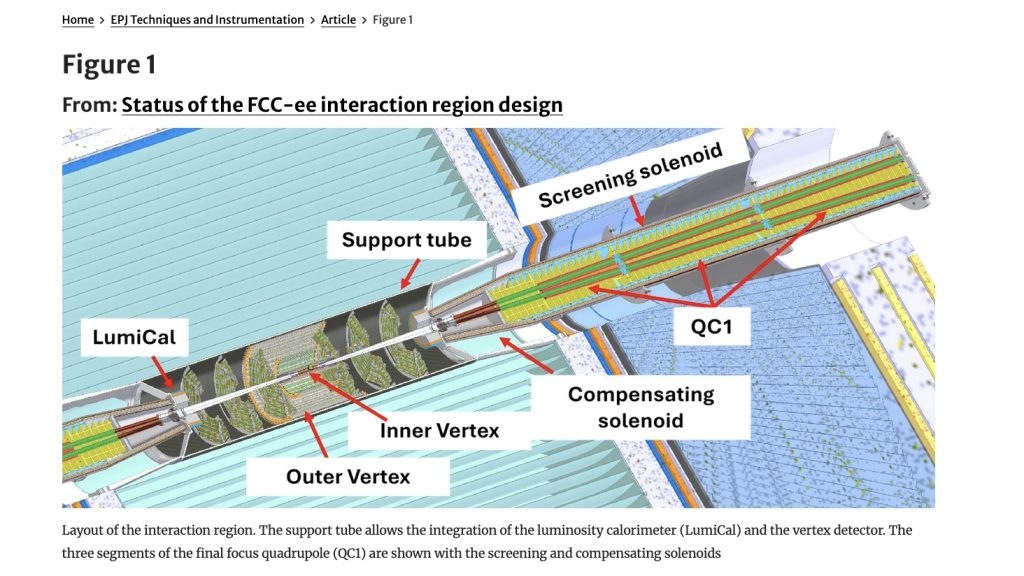
Machine Detector Interface (MDI) and Energy calibration, Polarisation and Monochromatisation (EPOL)
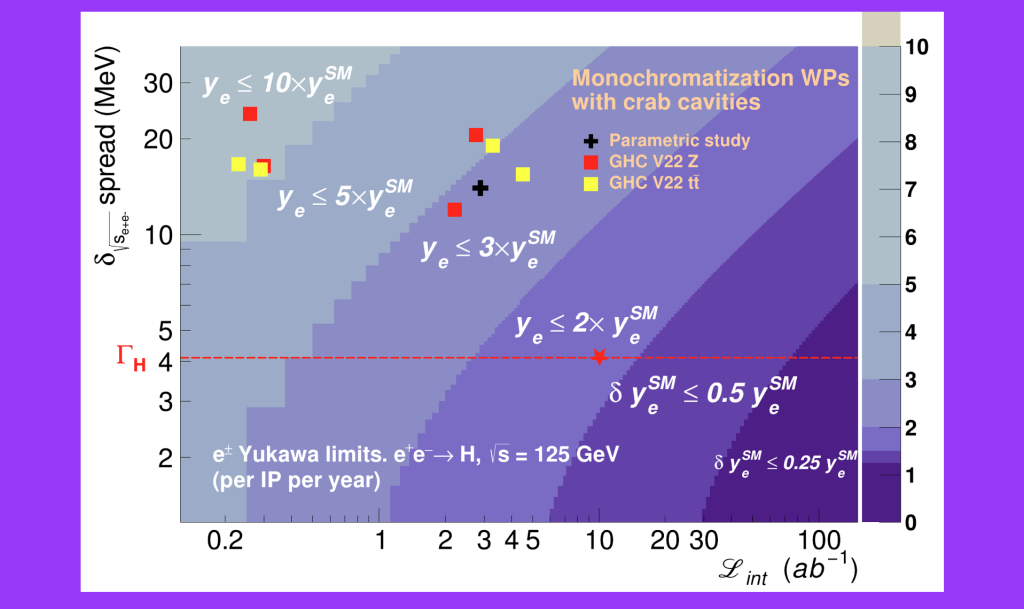
Precise centre-of-mass energy determination is a cornerstone of the FCC physics program. The interface between the collider (the “machine” in physicists’ jargon) and the future detector systems must be designed by carefully balancing their respective constraints and requirements. The corresponding discussions, that started in 2012, are now structured in formal Work Packages.
January 2017
FCC ee, hh, eh synergies
Synergies and complementarities are one of the major discussion themes of the year, while the first detector concepts are presented. In the final talk of the physics workshop Alain Blondel concludes that “the combination of the FCC machines offers outstanding discovery potential by exploration of new domains of both direct search and precision at high energy and at very small couplings”
January 2019
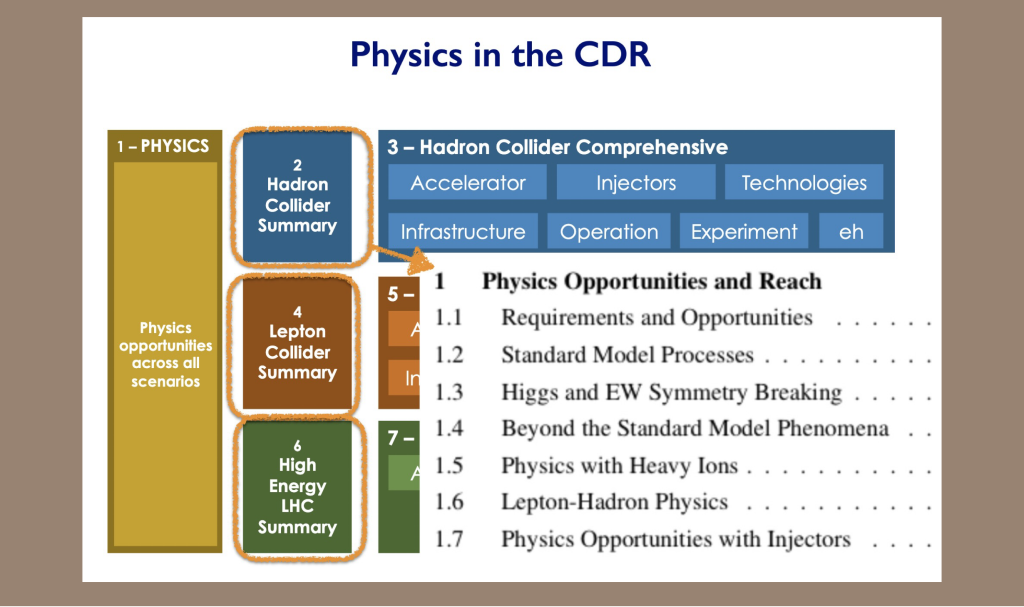
Publication of the FCC Conceptual Design Report (CDR)
The preface of the Report, by the CERN Director General, acknowledges “five years of intense work and a steadily growing international collaboration“. The FCC integrated project report highlights that “in ten years of physics at the LHC, the particle physics landscape has greatly evolved. Today, an integrated Future Circular Collider programme consisting of a luminosity-frontier highest-energy lepton collider followed by an energy-frontier hadron collider promises the most far-reaching particle physics programme that foreseeable technology can deliver. Links to the Physics Opportunities Paper and CERN news
May 2019
Linear or circular ???
The whole community meets in Granada, for the traditional Open Symposium of the Strategy Update. The document FCC-ee: Your Questions Answered is a vibrant testimony of the “much lively discusions” (diplomatic understatement) between partisans of the linar and circular collider projects. Link to: Lessons from Granada, by the CERN Director of Research and Computing.
June 2019
A new Software Framework
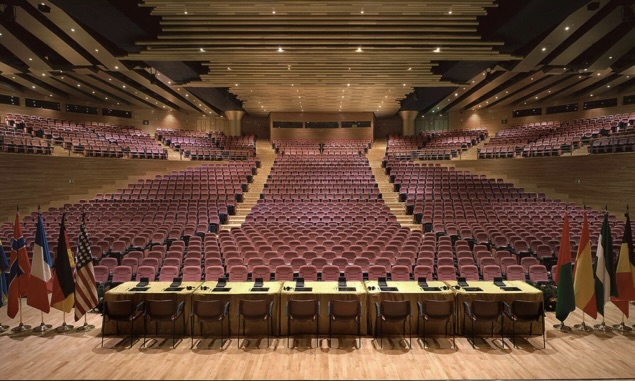
The TLEP and then FCC software suite, gradually put in place since 2013, is presented at the 2019 CHEP Conference . In a kick-off meeting held in Bologna, representatives of the CERN EP-SFT group and members of the ILC, CLIC, FCC, CEPC and the Muon Collider communities decide to pool their resources to develop a common and shared software stack, now known as the Key4hep project, that becomes a “hot topic” in the following 2021 CHEP Conference . Link to the papers by Gerardo Ganis and Clément Helsens, TLEP and then FCC software coordinators, within the Focus Point on A Future Higgs & Electroweak Factory (FCC) – Part IV: Software Developments and Computational Challenges (2021)
May 2020
The 2nd update of the European Strategy for Particle Physics is endorsed by the CERN Council
The Council recommendation defines the next steps: “Europe, together with its international partners, should investigate the technical and financial feasibility of a future hadron collider at CERN with a centre-of-mass energy of at least 100 TeV, and with an electron-positron Higgs and electroweak factory as a possible first stage. Such a feasibility study of the colliders and related infrastructure should be established as a global endeavour and be completed on the timescale of the next Strategy update”.
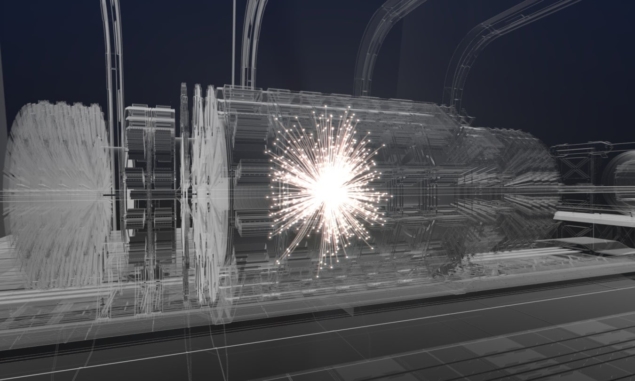
2020-2025
A global endeavour
Fall 2020
ECFA Higgs, Electroweak and Top Factory (HETF) Study
In 2005, the CERN Council decides to set up a scientific advisory group, the “European Strategy Group” (ESG), to organise a bottom-up consultation of the full community and propose a strategy for the decade to come. Its recommendations are discussed and approved by the CERN Council in July 2006. Beyond the support for LHC and its future luminosity upgrade, two linear collider projects are mentioned: CLIC and ILC. Link to the 2006 Strategy Brochure
November 2020
International Forum of National Contacts
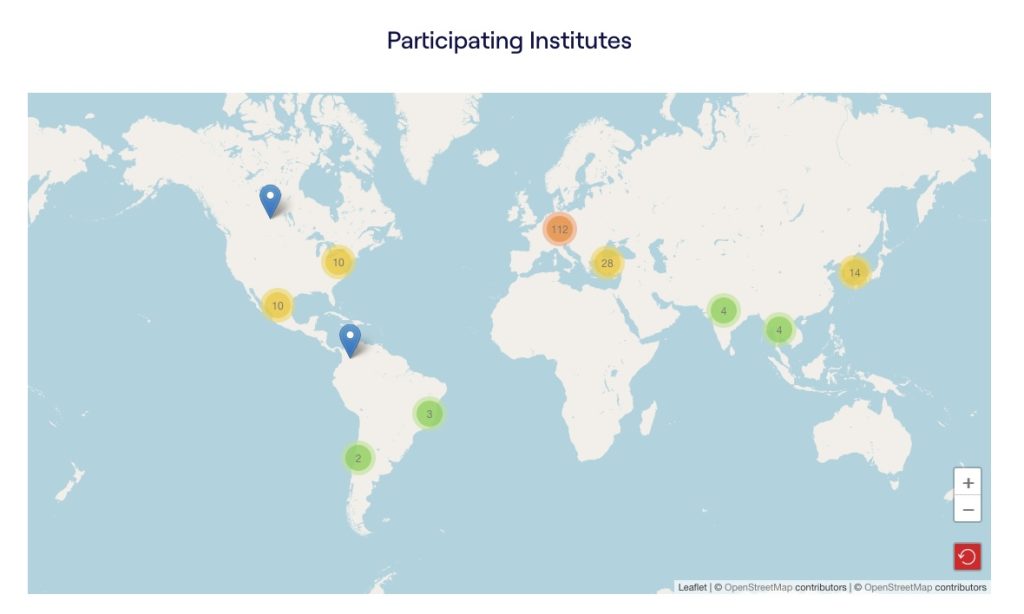
Following the recommendation to widen the collaboration spread, an International Forum and an MoU mechanism are set up, coordinated by G.Bernardi, T.Lesiak and E.Tsemelis. National meetings are also encouraged. The process is described in the Chapter 10 (Community building) of the “Physics, Experiments, Detectors” Volume 1 of the Feasibility Report , and the result is visible on the Collaboration Map
June 2021
During Covid times, the FCC Week and FCC Physics Week continue to ramp up… online
FCC web site news:“This year’s Future Circular Collider (FCC) Week took place online from 28 June to 2 July, attracting 700 participants from all over the world to debate the next steps needed to produce a feasibility report in 2025/2026″.
A fresh update is published in EPJ+ : FCC-ee overview: new opportunities create new challenges to launch the PED Feasibility Study.
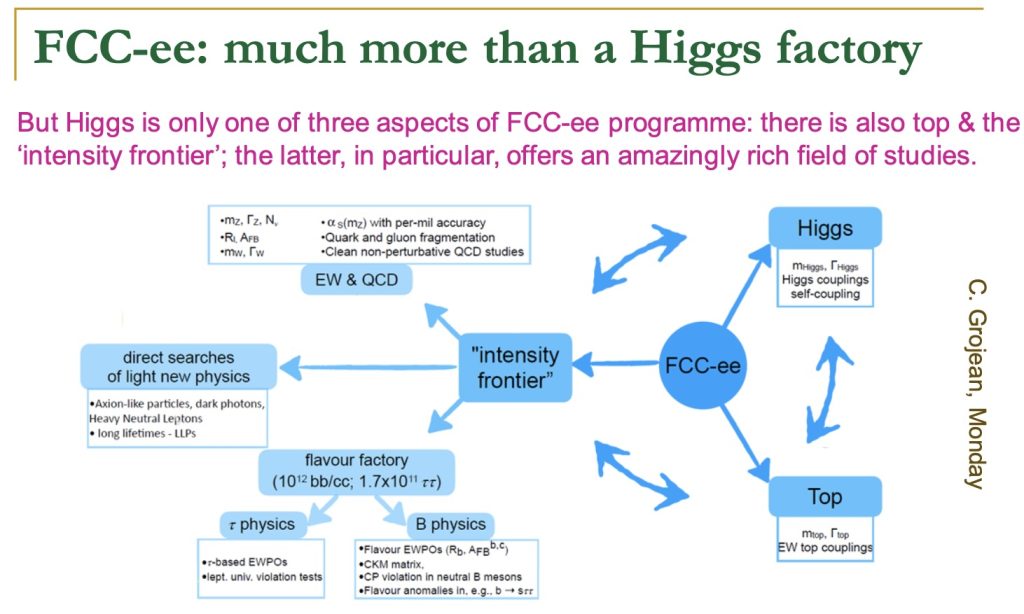
The exploration of the physics case of a post-LHC collider is further developed in the 5th FCC PED workshop, organised in Liverpool but held online due to Covid, in February 2022: FCC-ee appears, in the closing talk given by G.Wilkinson, as “the ultimate Higgs laboratory”, but also much more. “Physics arguments will have to be strengthened and sharpened to convince the HEP community of the importance of the intensity frontier, both for the possibilities of direct discoveries and the power of precision measurements”. A new coordination and work package organisation is set up, led by Patrick Janot, who will soon be joined by Gavin Salam – later replaced by Christophe Grojean – and then Guy Wilkinson. The term “Physics, Experiments and Detectors (PED)”, used for the first time in 2021, spreads in meetings and presentations.
Automn 2022
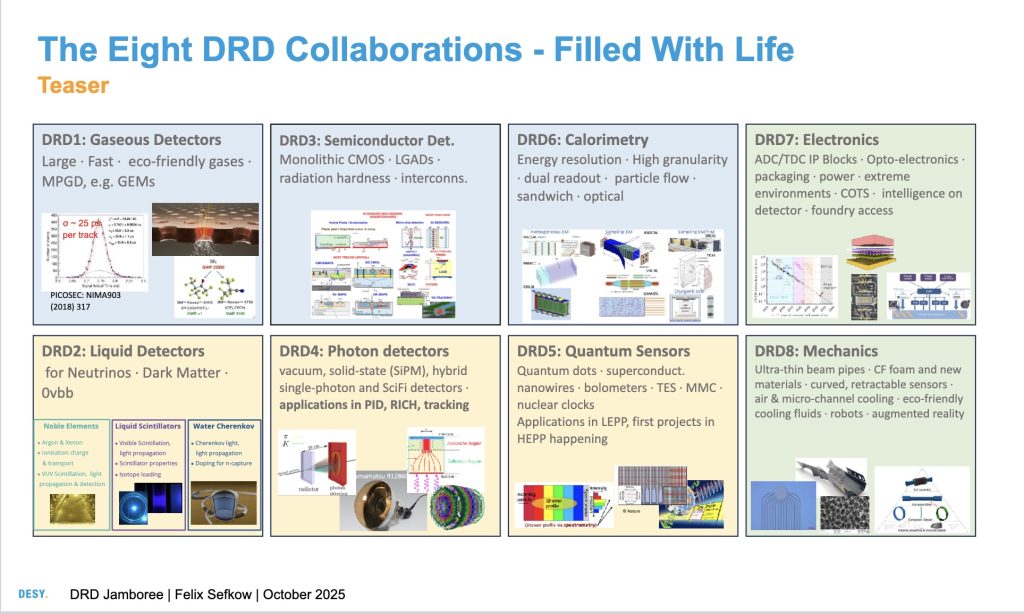
The long term detector R&D efforts get organised in 8 thematic DRD Collaborations
The CERN Council and Scientific Policy Committee (SPC) endorses the Detector Roadmap and Implementation Plan prepared by the European Committee for Future accelerators (ECFA). This plan suggests that the long-term detector R&D efforts be organized into larger detector R&D (DRD) collaborations, each to cover a technology domain identified in the Roadmap, will be hosted at CERN. A newly formed steering committee sends a call for proposal and approves them in two steps, in December 2023 and June 2024. Although the structures are formally independent, the link with PED activities is obvious: FCC detector R&D activities are not lead in isolation. Link to an overview of the DRD program setup
June 2023
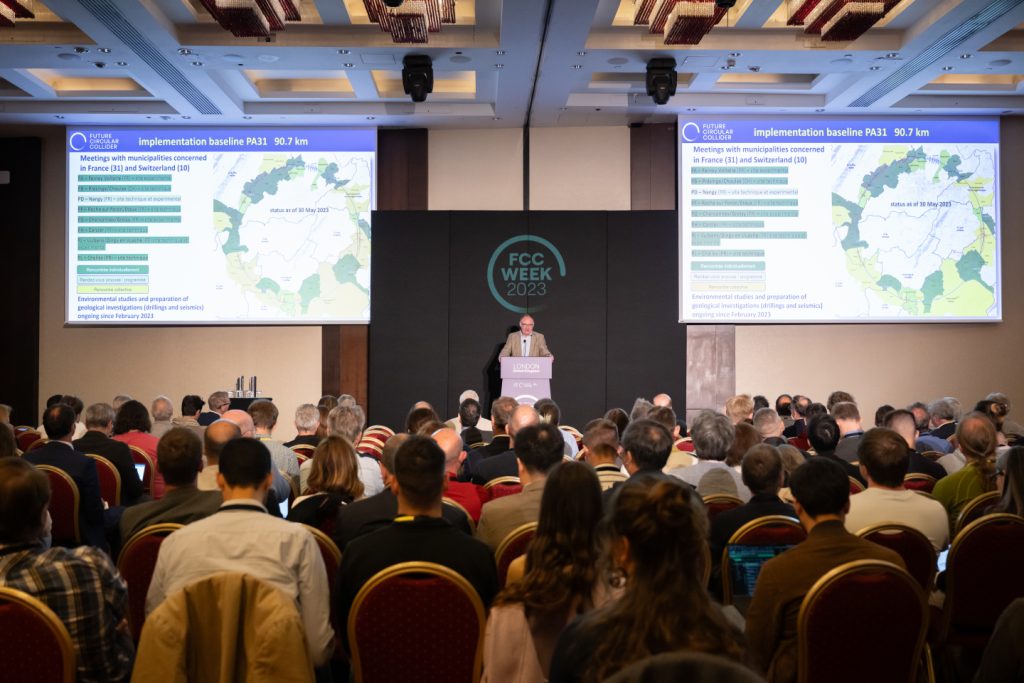
Back to face to face discussions: FCC Week in London !
In the PED parallel and plenary sessions physics case, theoretical calculation strategy and detector requirements from physics are reviewed. A growing number of studies focus on the impact of the detector choices on physics performances. The implementation of the first detector concepts layout in the common software framework, key4HEP, is in good progress.
January 2024
Preparation for the Feasibility Study mid-term review at the 7th FCC physics meeting, Annecy.
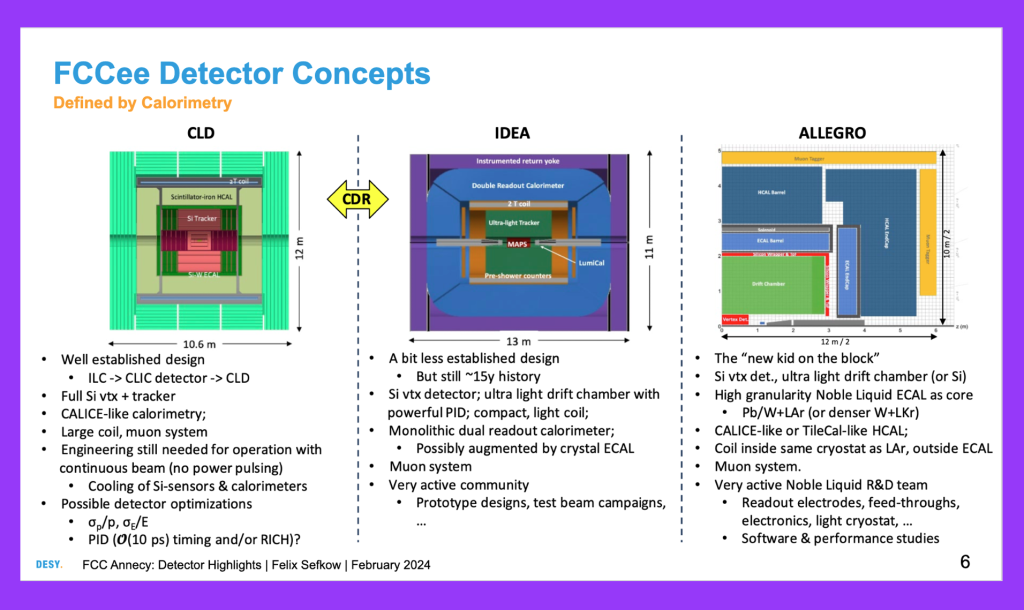
Three detector concepts are included in the report:
– CLD, well established design adapted from prior linear collider studies
– IDEA, already supported for 15 years by a very active community
– ALLEGRO, the “new kid on the block”, proposed by a Noble Liquid Calorimeter R&D team.
ILD (a CLD sibling with a TPC instead of a Si tracker) joined through the 2025/26 strategy update process, and more concepts are expected in the coming years.
May 2025
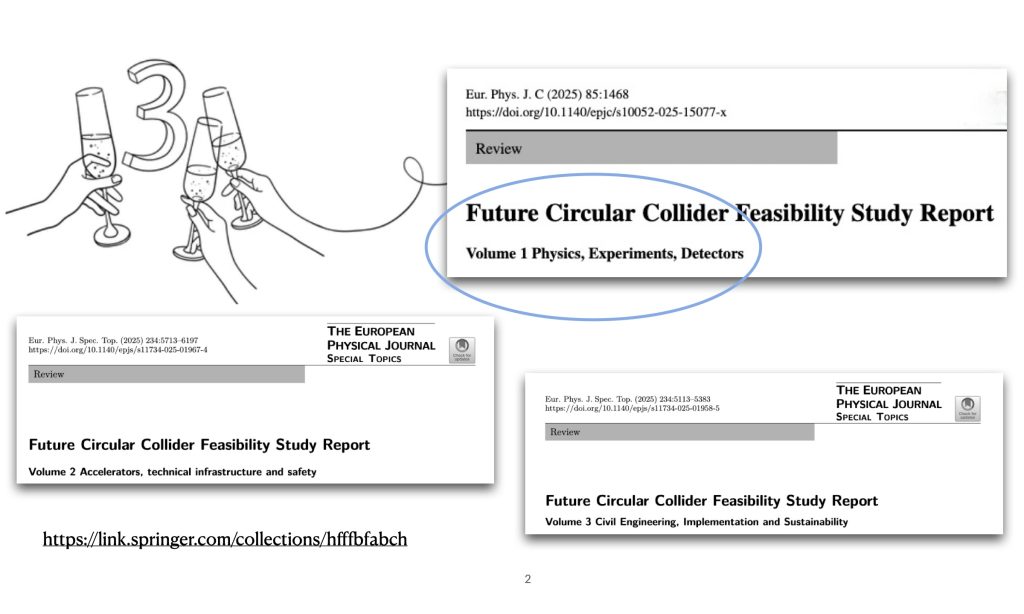
On the way to the 3rd European Strategy,the Future Circular Collider Feasibility Study Report (FSR) is signed by more than 1500 authors from 428 institutes !
The PED team contributes to the Venice workshop via the Volume 1 of the FSR and several 10 pages summaries, of which one entotled “The FCC integrated programme: a physics manifesto” , and ~40 expressions of interest for FCC-ee detector subsystems and concepts.
In December 2025, a strong recommendation is issued by the CERN Council European Strategy Group (ESG): “The electron-positron Future Circular Collider (FCC-ee) is recommended as the preferred option for the next flagship collider at CERN”. Endorsement by the CERN Council is expected in March 2026.
2026-2028
Charting the path towards approval
January 2026
The PED group moves forward
At CERN, FCC is no longer a “Study” but a “Project” that entered a new “Reference Design Phase”. PED is expected to bring all the elements that may be relevant to a Council decision in 2028-2029. The “Detector Expressions of Interest” (EoI) and Collaborations forming will be organised after the project approval, during a “Technical Design Phase” where Detector Conceptual Design Reports (CDRs) will be prepared. Groundbreaking and the project implementaton are expected to begin around 2033.