
CERN hosts the first School of Physics at Future Colliders
The first edition of the BNL-CERN School of Physics at Future Colliders gathered more than 70 participants from all around the globe. The lecture program covered a wide range of topics, from accelerator technologies to theoretical particle physics and hands-on computing tutorials.

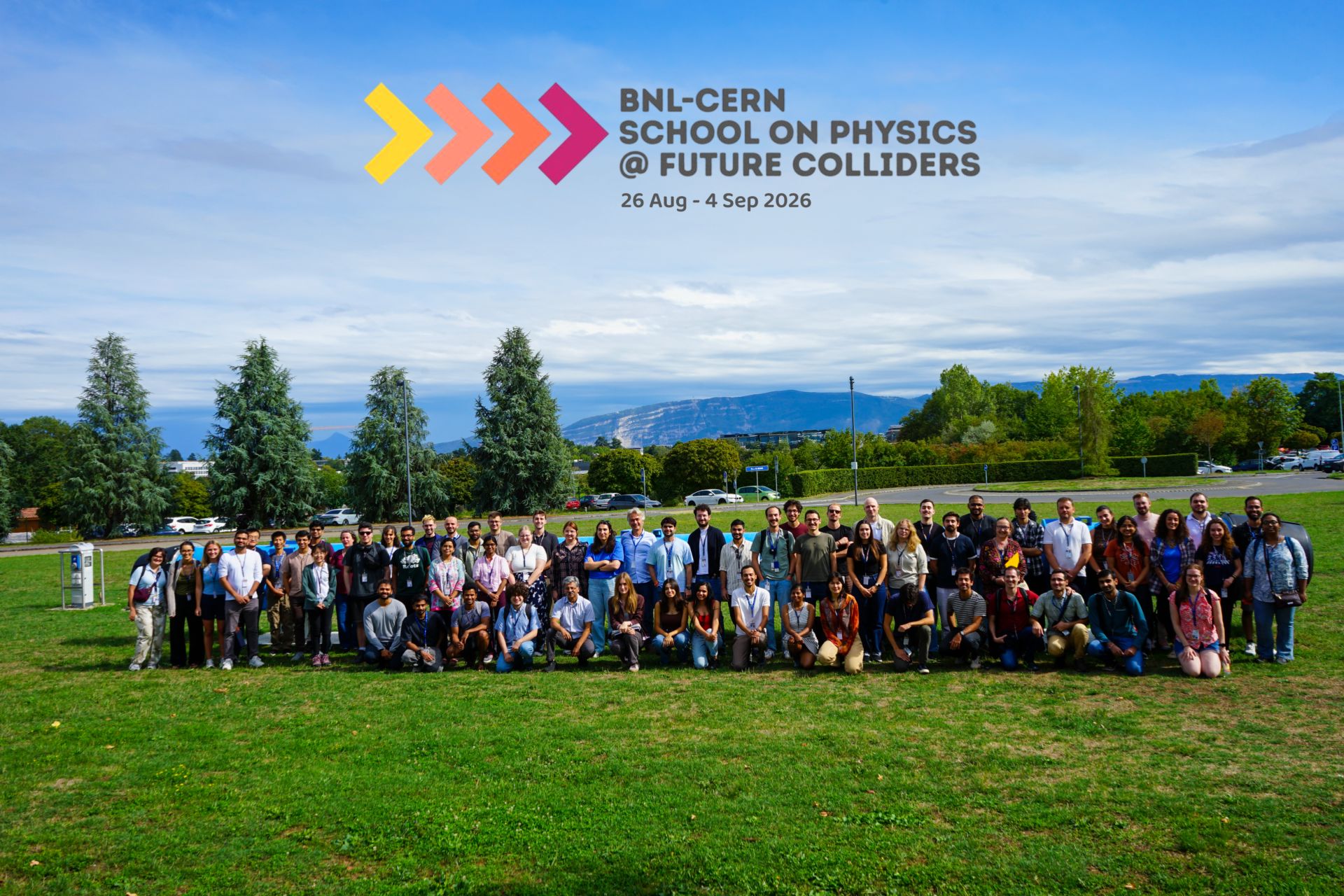
Future colliders will require not only new machines and technologies, but also a new generation of researchers trained to work on them. For that reason, from 26 August to 4 September, CERN hosted the first edition of the School of Physics at Future Colliders. Co-organized by CERN and Brookhaven National Lab (BNL), the school brought together more than 70 participants from Asia, America, Africa and Europe. “We aimed for 50 students. We received a large number of strong applications and ended up admitting over 70, from more than one hundred” says Srini Rajagopalan, researcher at BNL and co-host of the school alongside Patrick Janot, from CERN.
The program of lectures was selected by an organizing committee co-chaired by Liza Brost from BNL, Mathew McCullough and Carlos Lourenço from CERN, and Patrizzia Azzi from INFN-Padova. The scientific program was complemented by guided tours of CERN facilities organized by Claire Adam, including visits to the ATLAS and ALICE caverns, the FCC-ee mock-up tunnel and the Antimatter Factory (AD). It also featured a social dinner.
Participants engaged in a broad scientific program
The program of the school aimed to offer a wide and diverse range of topics, from accelerator and detector technologies to theoretical physics and software, targeting advanced doctoral students and postdocs. “It is important to educate young researchers on the future of particle physics, as they are the ones who are going to see the physics from these future projects,” says Rajagopalan. In addition, a computing tutorial session organized by Brieuc François gave students the opportunity to get hands-on experience with software and tools.
Besides the lectures, the program included three long discussion sessions, when the lecturers addressed many questions from the participants. Discussions also continued during coffee breaks and between lectures. “Seeing students engaged and asking many questions is what we were looking for when organizing the school. That showed the success of the school right away,” says Rajagopalan, who acknowledges the effort of the whole organizing team and lecturers in making the school possible.
Fostering CERN-BNL collaboration
The idea of the school goes back to early 2026, when CERN Director General Mark Thomson and BNL Director John Hill met to discuss ways to strengthen collaboration between the two laboratories. Srini Rajagopalan and Patrick Janot, who also attended the meeting, proposed a school on future colliders as one way to bring the two communities closer together. Shortly afterwards, an organizing committee was formed to develop the idea, and within just a few months, the first BNL-CERN School of Physics at Future Colliders became a reality.
Lessons Learned and Future Editions
The experience gained in this first edition proved to be very useful for future editions of the school. “There were many talks students really appreciated, while others were found extremely technical and challenging to understand,” says Rajagopalan. The organizers will use this feedback to refine the program.
One of the main lessons, says Rajagopalan, is the value of creating more opportunities for discussion. In future editions, the organizers plan to hold more open discussion sessions. As he puts it, “One of the lessons we learned is that in future editions we should have these sessions almost every day.”
While the precise dates and venue are still to be defined, the second edition of the school will be held in New York in 2027. From then on, organizers plan to alternate CERN and BNL as hosts of the yearly event.
Testimonials
❝
“This was an excellent school that was incredibly beneficial to my career and future in FCC/EIC. I really learned a lot and got to interact with so many people, both early career and lecturers.”
❝
“The knowledge I gained during the school, as well as the material provided, which I can refer back to in the future, will be very helpful for my work.”
❝
“The school was well organized and well balanced between particle physics theory, experiments, and detector concepts, along with the associated challenges.”
❝
“The school was extremely well organized, with an excellent range of lectures, tutorials, tours and social activities. I got to learn some new ideas and a renewed motivation to explore future-collider physics more deeply. I also appreciated the opportunities to interact with the lecturers and other participants, which made the school really valuable.”
The success of the school was only possible thanks to all the people belonging to the organizing committee:
- International Advisory Board.
- BNL-CERN main coordinators: Srini Rajagopalan, Patrick Janot.
- Scientific Program Co-chairs: Patrizia Azzi, INFN-Padova; Liza Brost, BNL; Carlos Lourenço, CERN; Matthew McCullough, CERN.
- Guided Tours & Communication: Claire Adam, Hector Garcia Morales, Reza Jafariseyedabad, Sathwik Prabhu Alake.
- Administrative support: Anna Barbut, Alexia Leyval, and Suzanne Junk.
Captured Moments

Click on the Images to Expand them
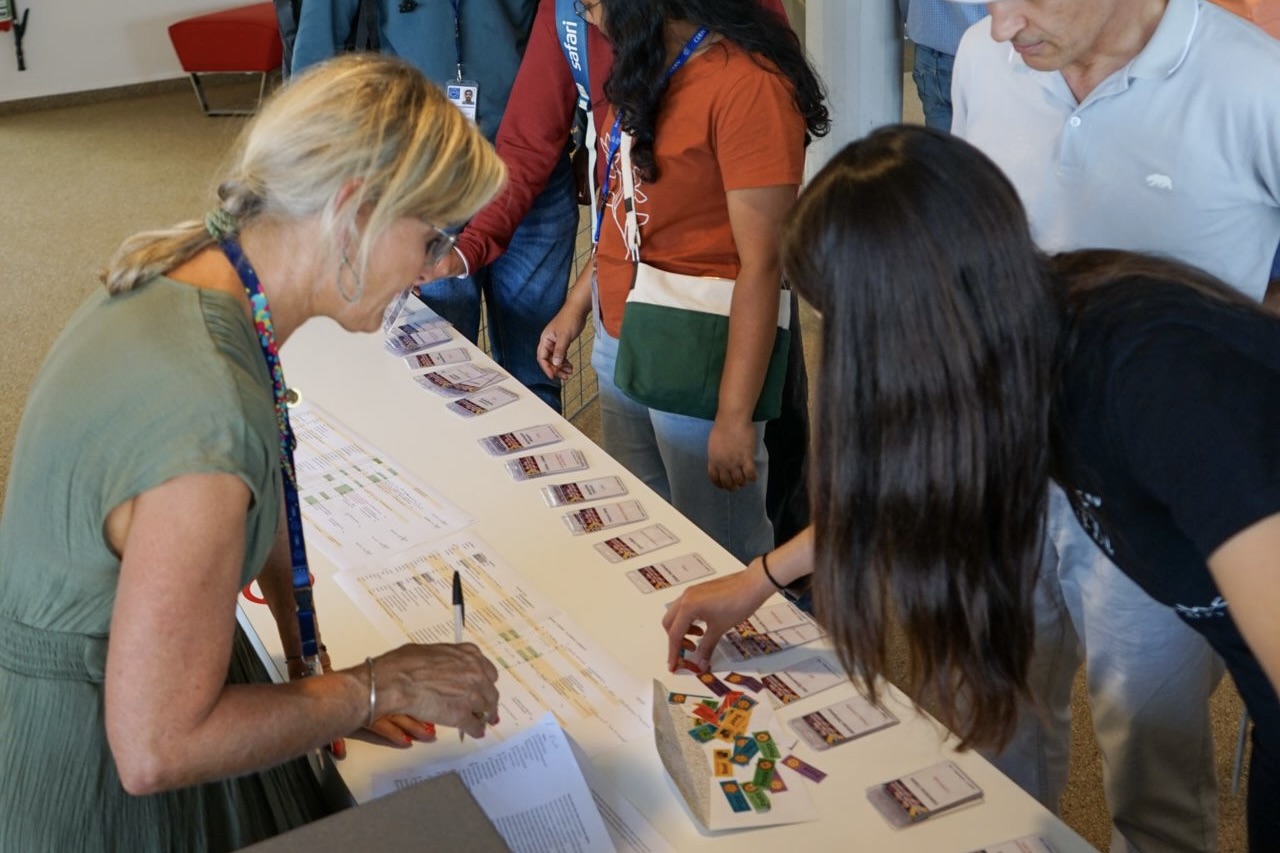
Welcome event. Alexia Leyval busy with registration 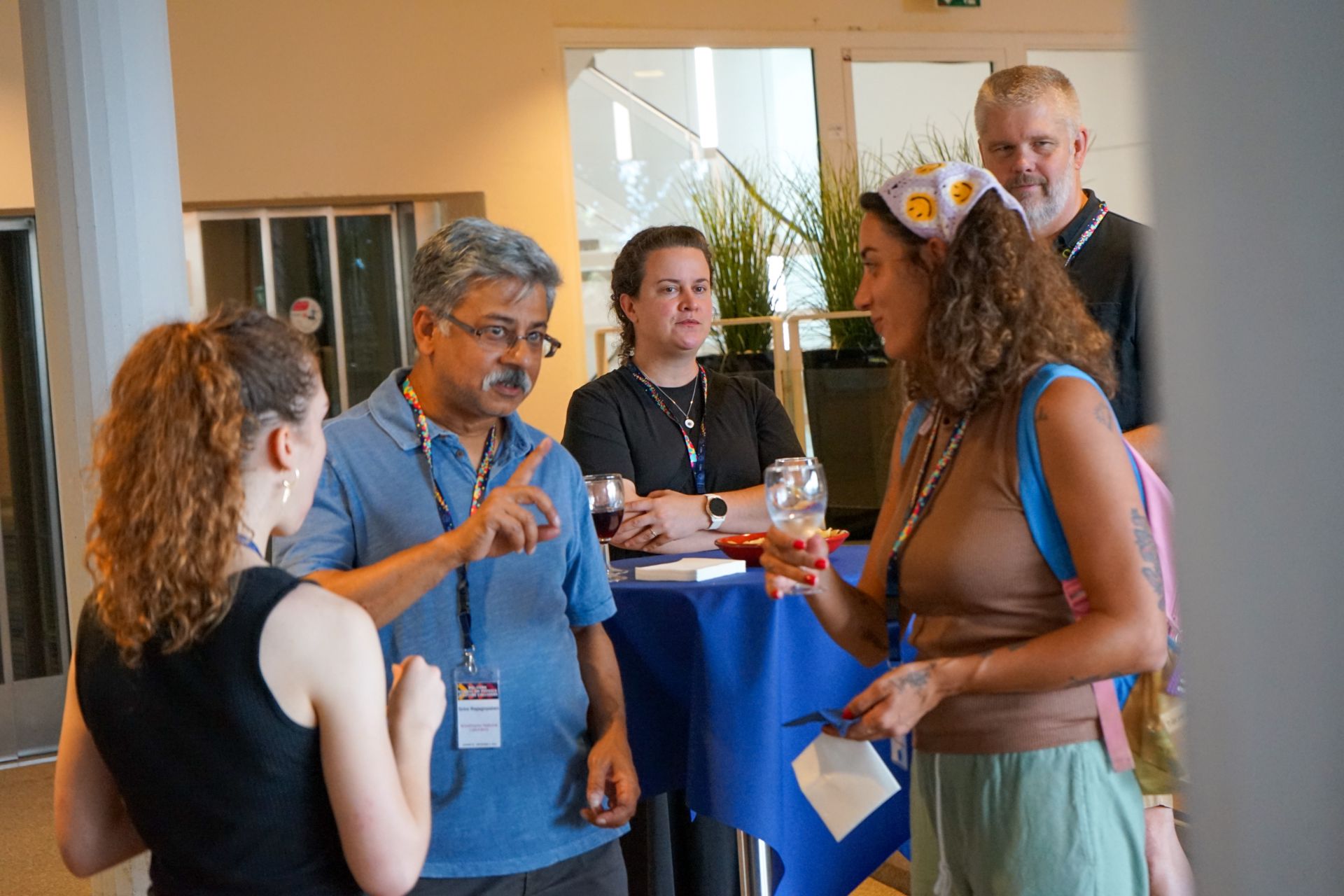
Welcome event. Srini Rajagopalan, Liza Brost and Eric Torrence welcome students 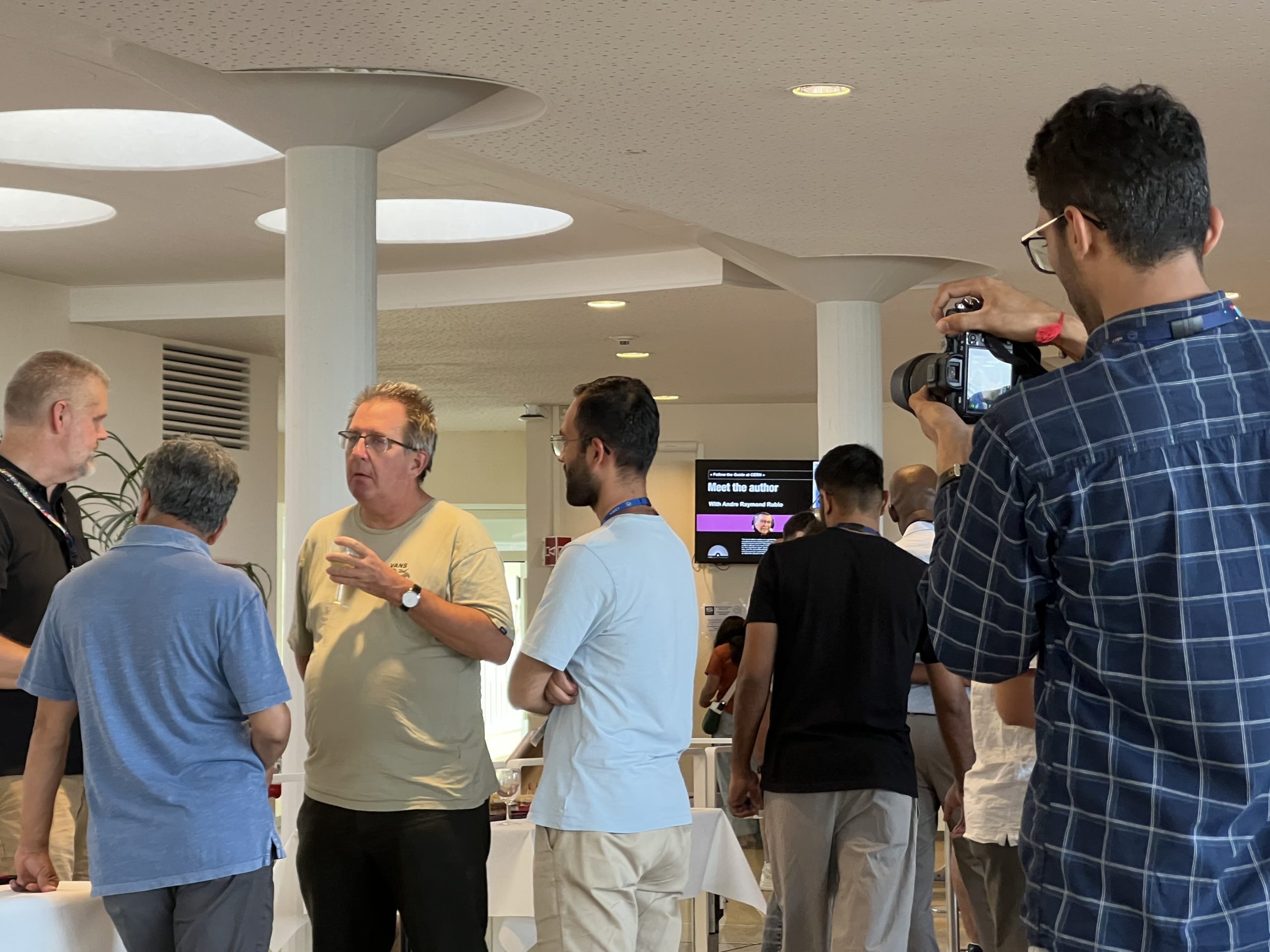
Welcome event. Guy Wilkinson, FCC-PED co-coordinator, discusses the program. 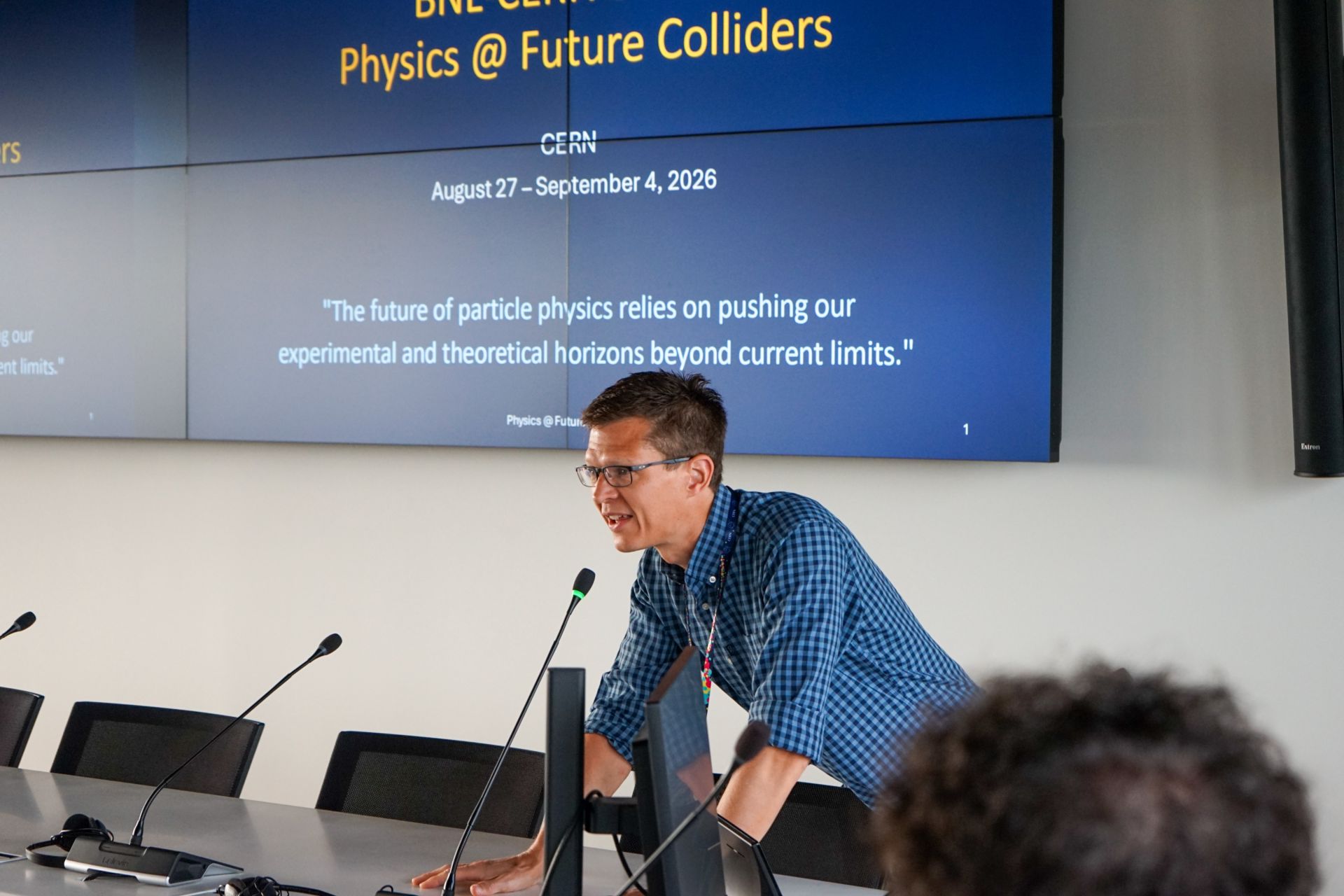
School opening, by Matthew McCullough (CERN), co-chair of the program organising committee. 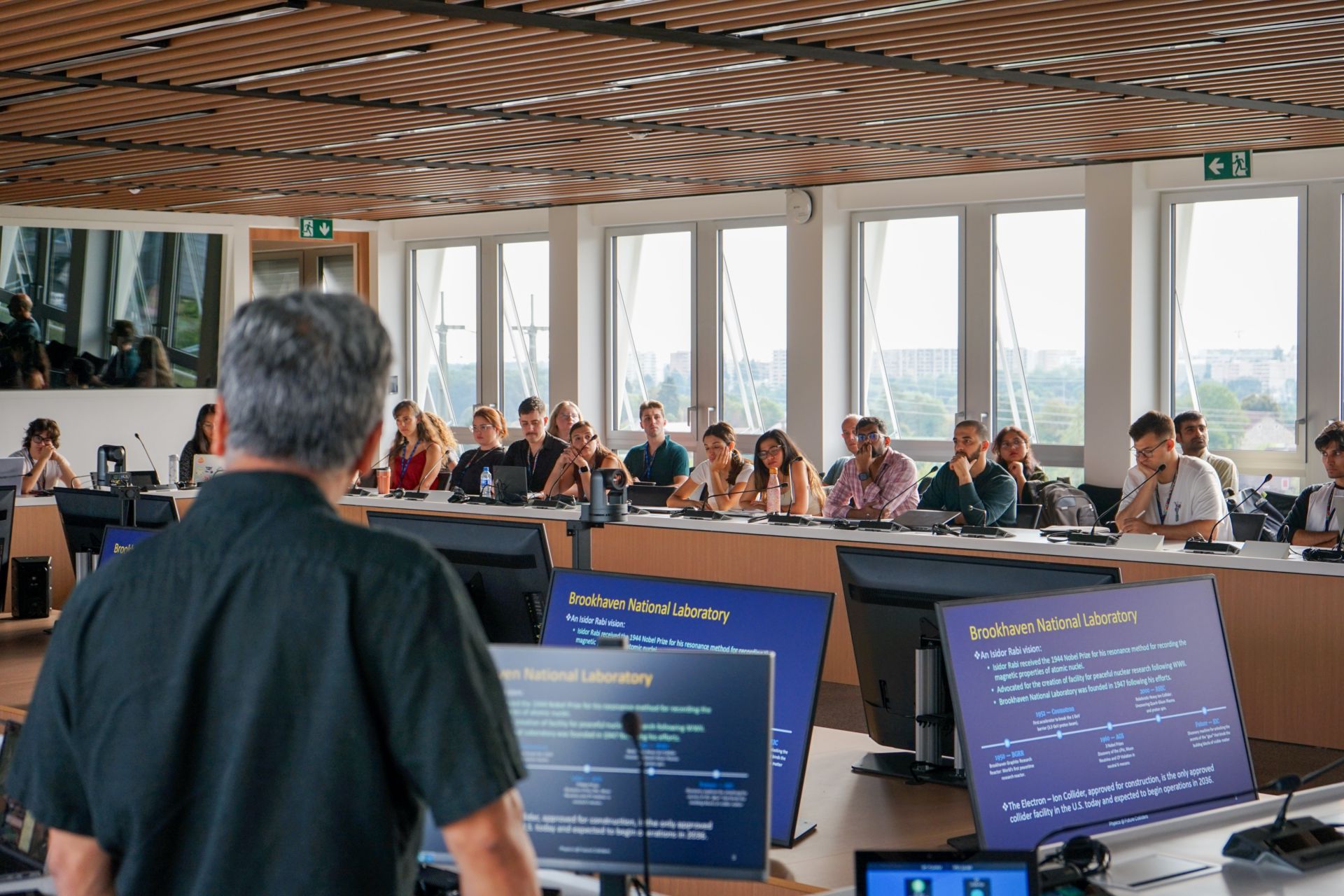
School opening, by Srini Rajagopalan (BNL) 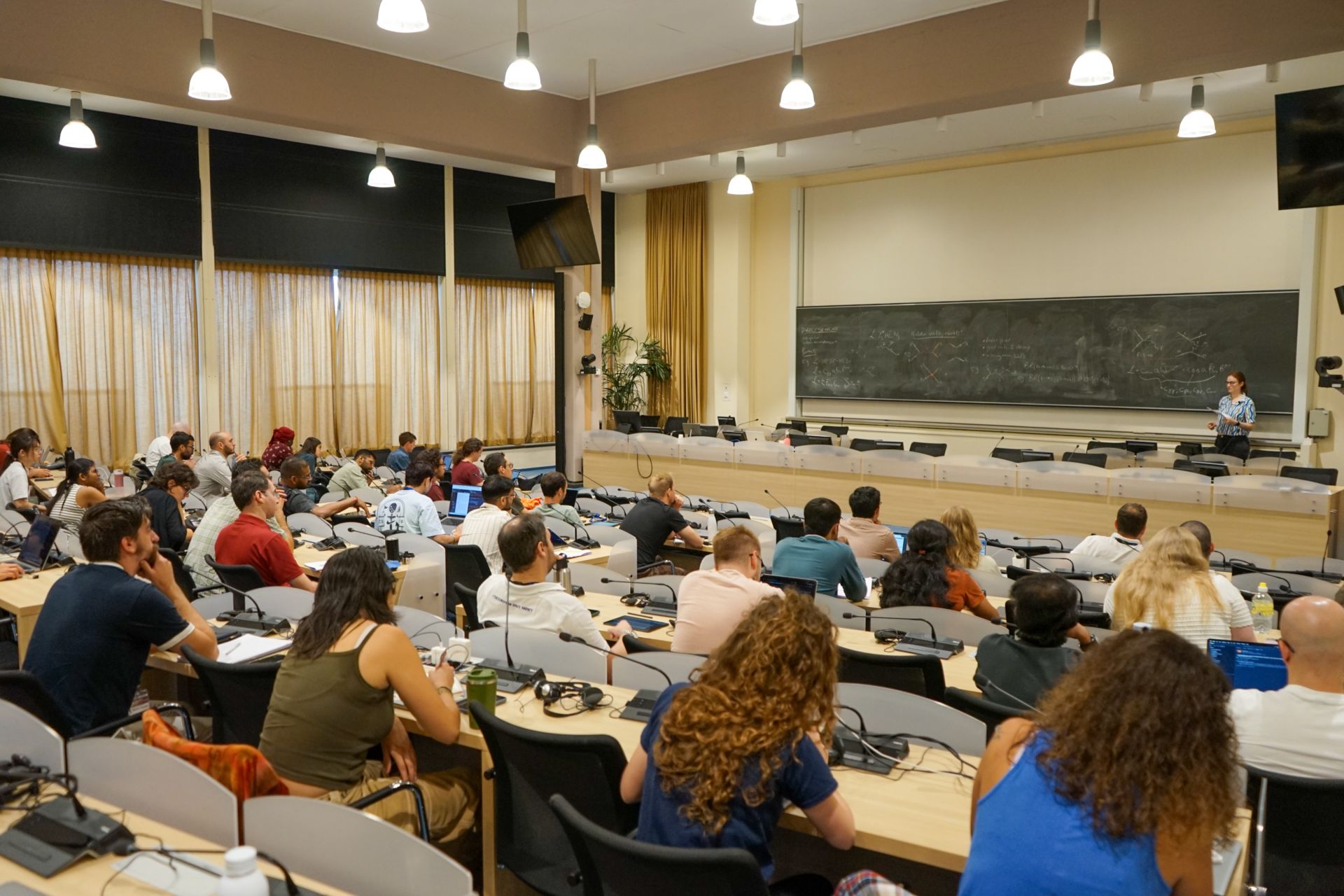
Lectures in the CERN Council Chamber. Beyond the Standard Model Physics, by Sophie Alice Renner (University of Glasgow) 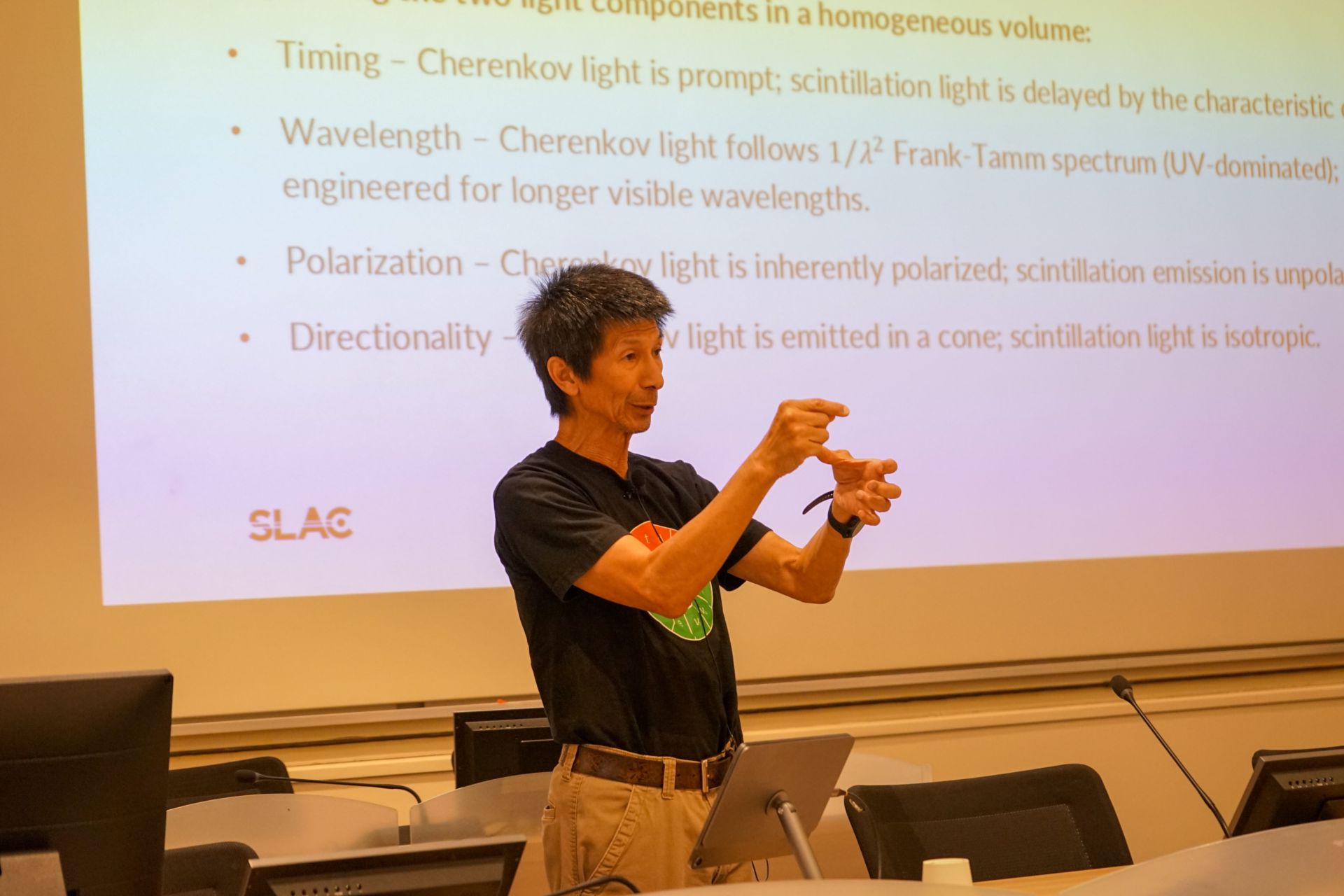
Lectures in the CERN Council Chamber. Detector Design by Charlie Young (SLAC) 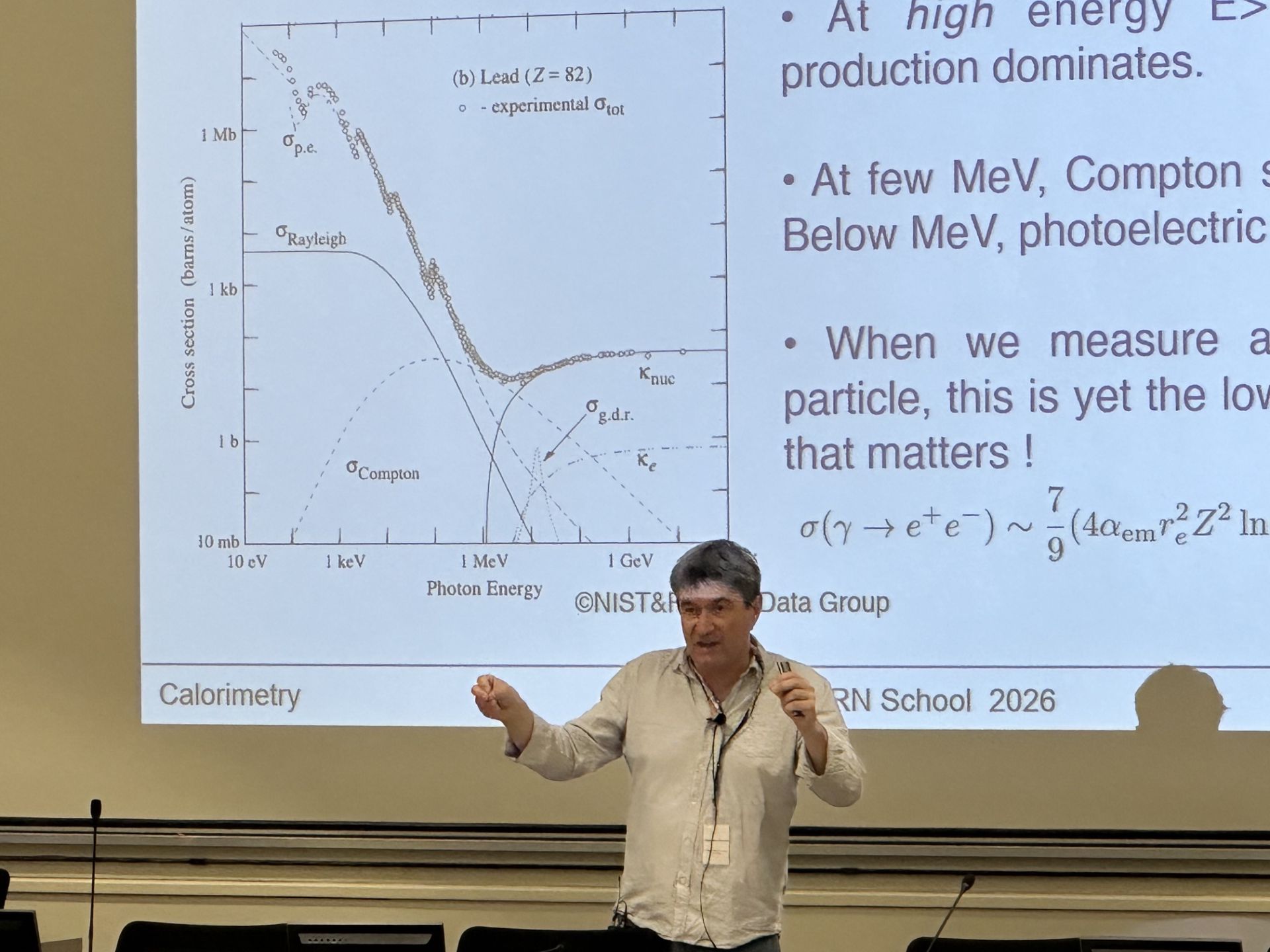
Lectures in the CERN Council Chamber. Calorimetry by Stephane Monteil (CNRS) 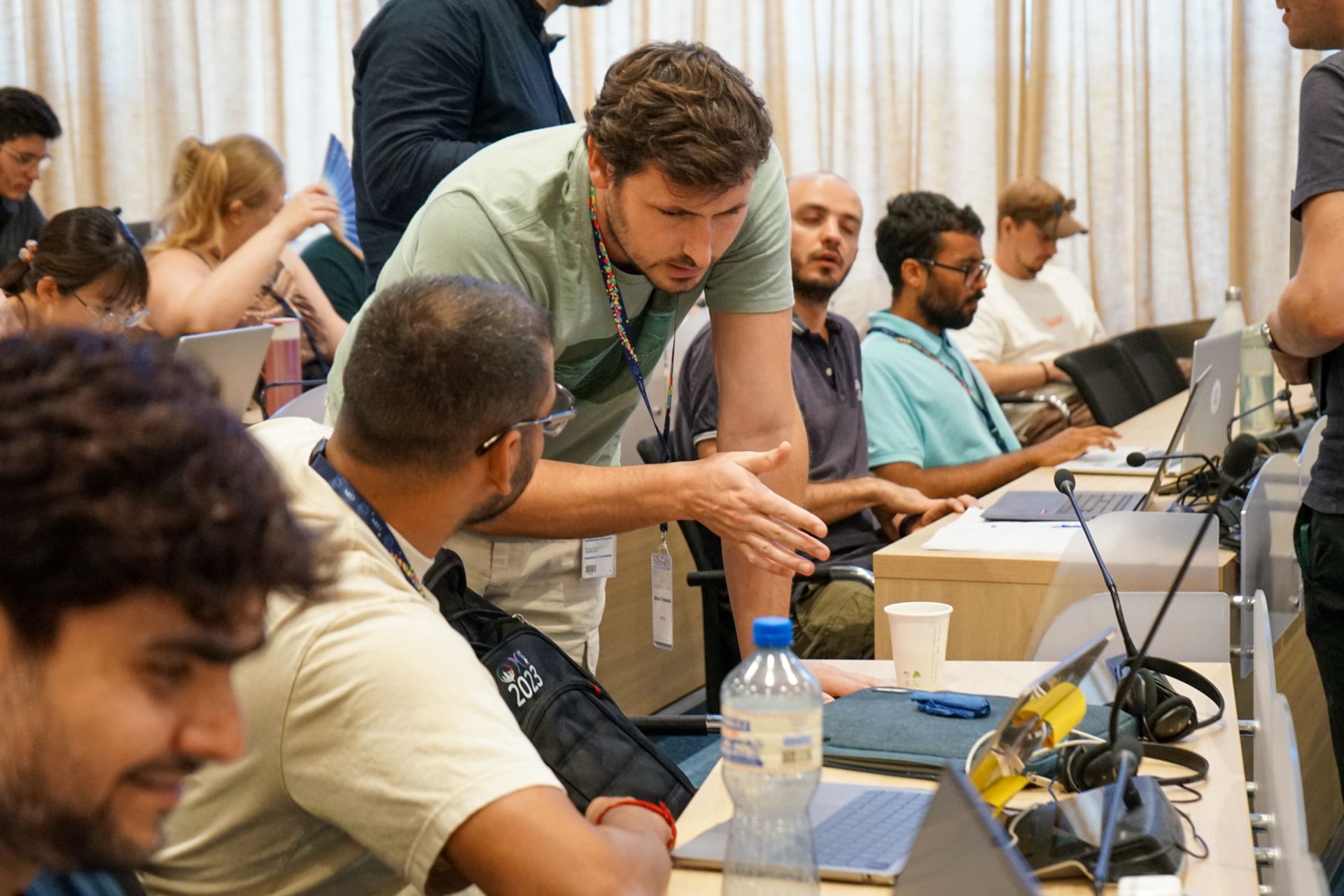
Software tutorials, lead by Brieuc François (CERN) and the FCC-PED team. 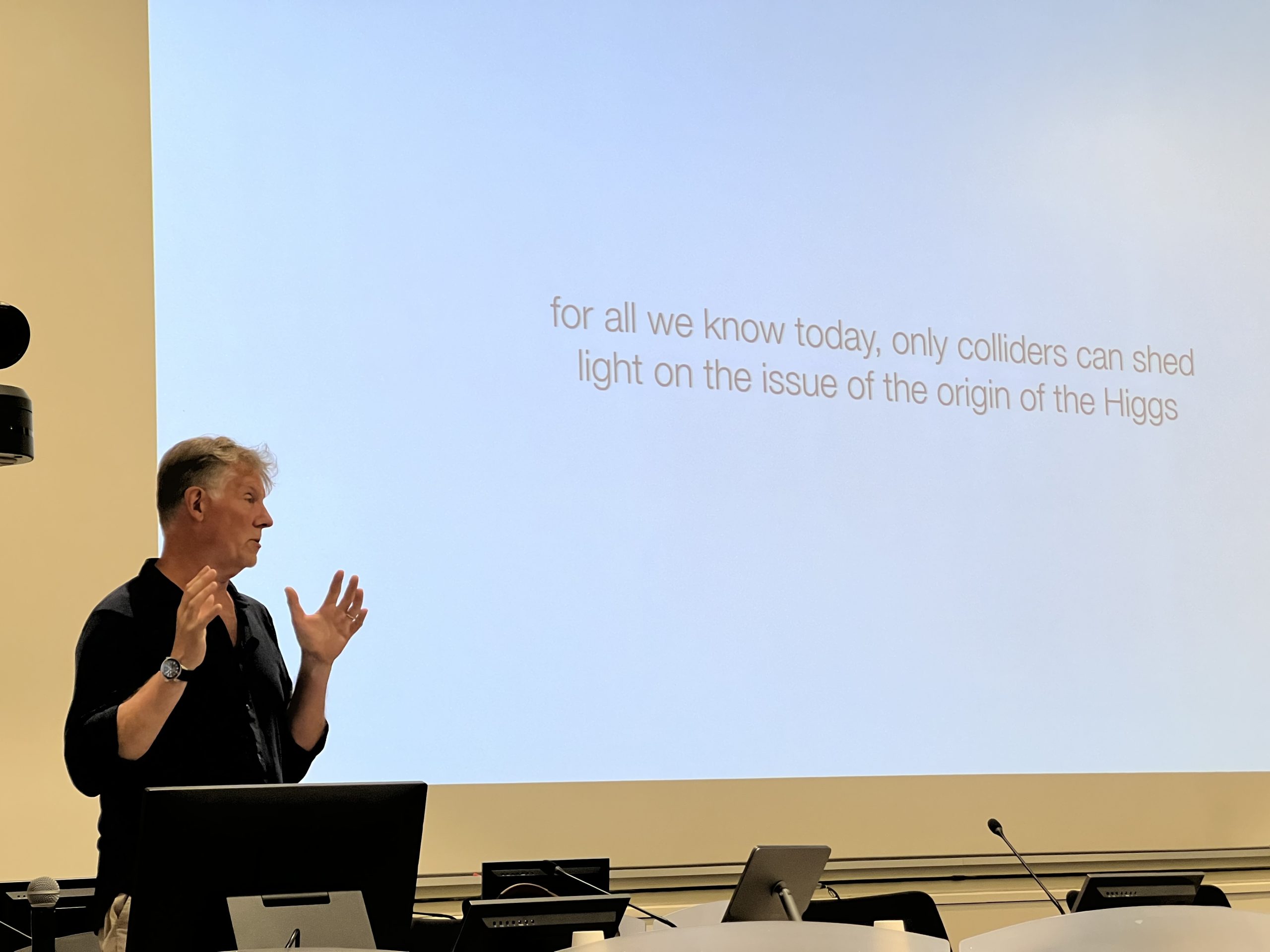
Lectures in the CERN Council Chamber. Closing by Michelangelo Mangano (CERN) 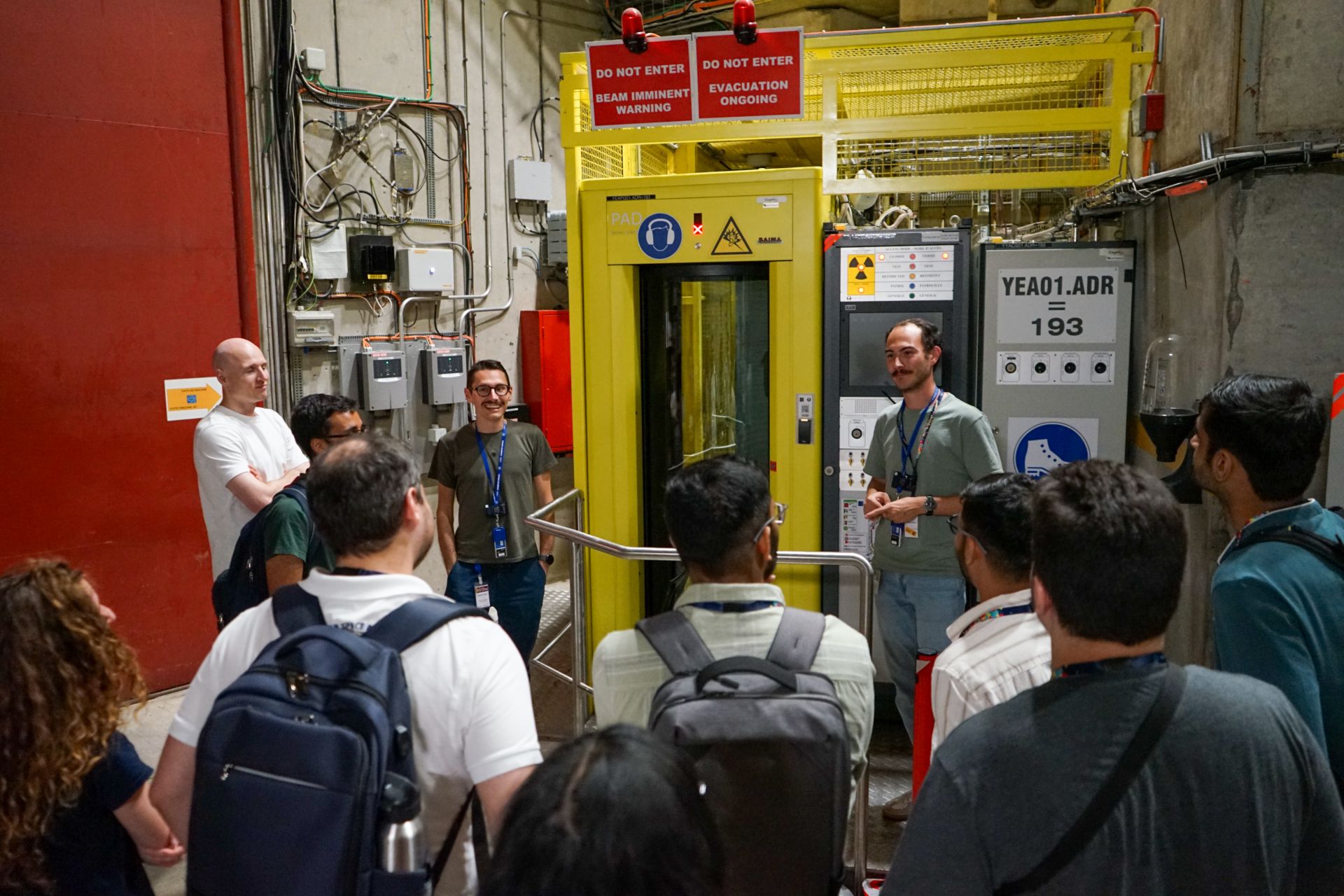
CERN Visits, lead by FCC-PED guides. 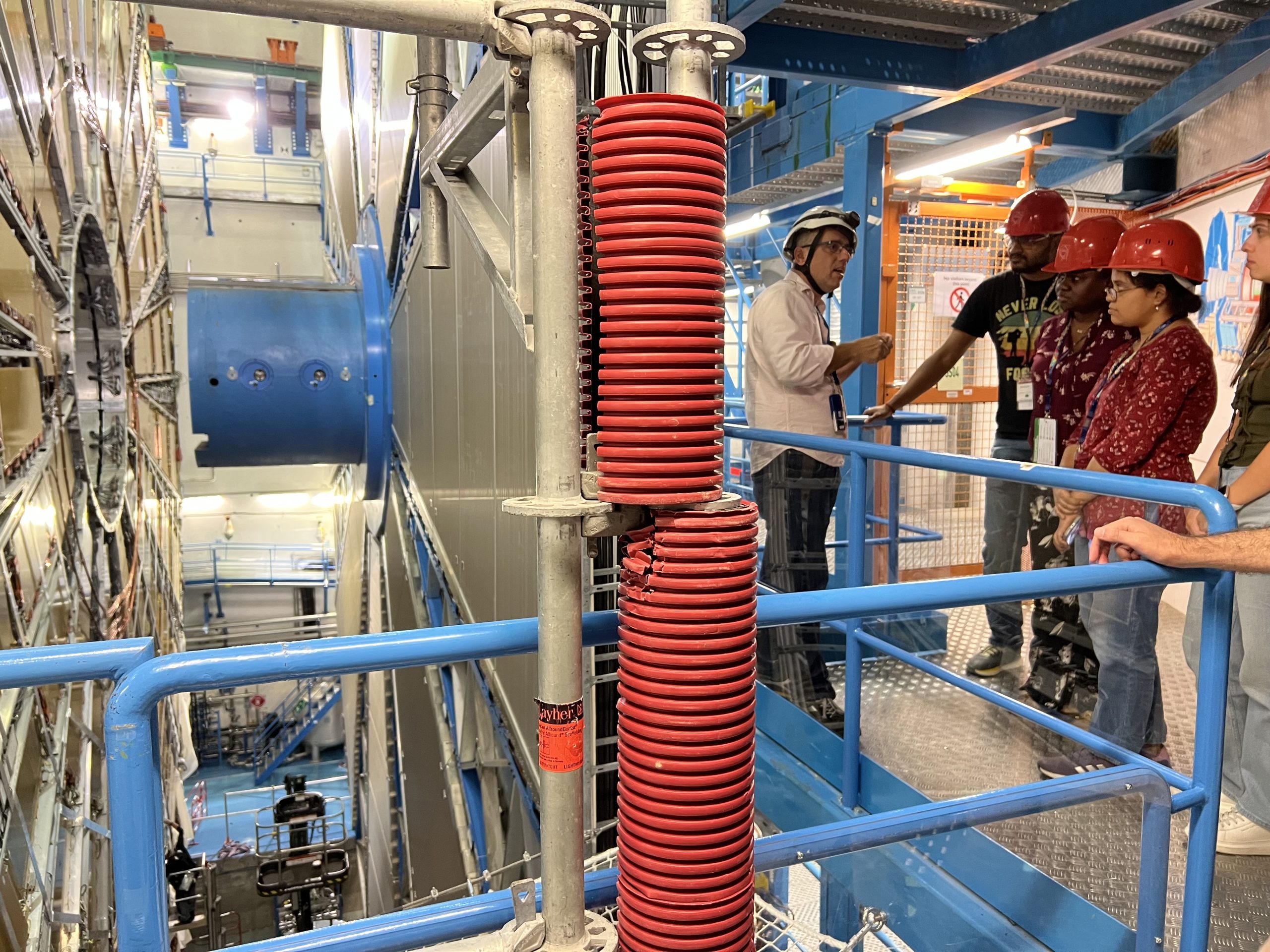
ATLAS expetiment visit, lead by Denis Damazio (BNL) and Claire Adam (CNRS) 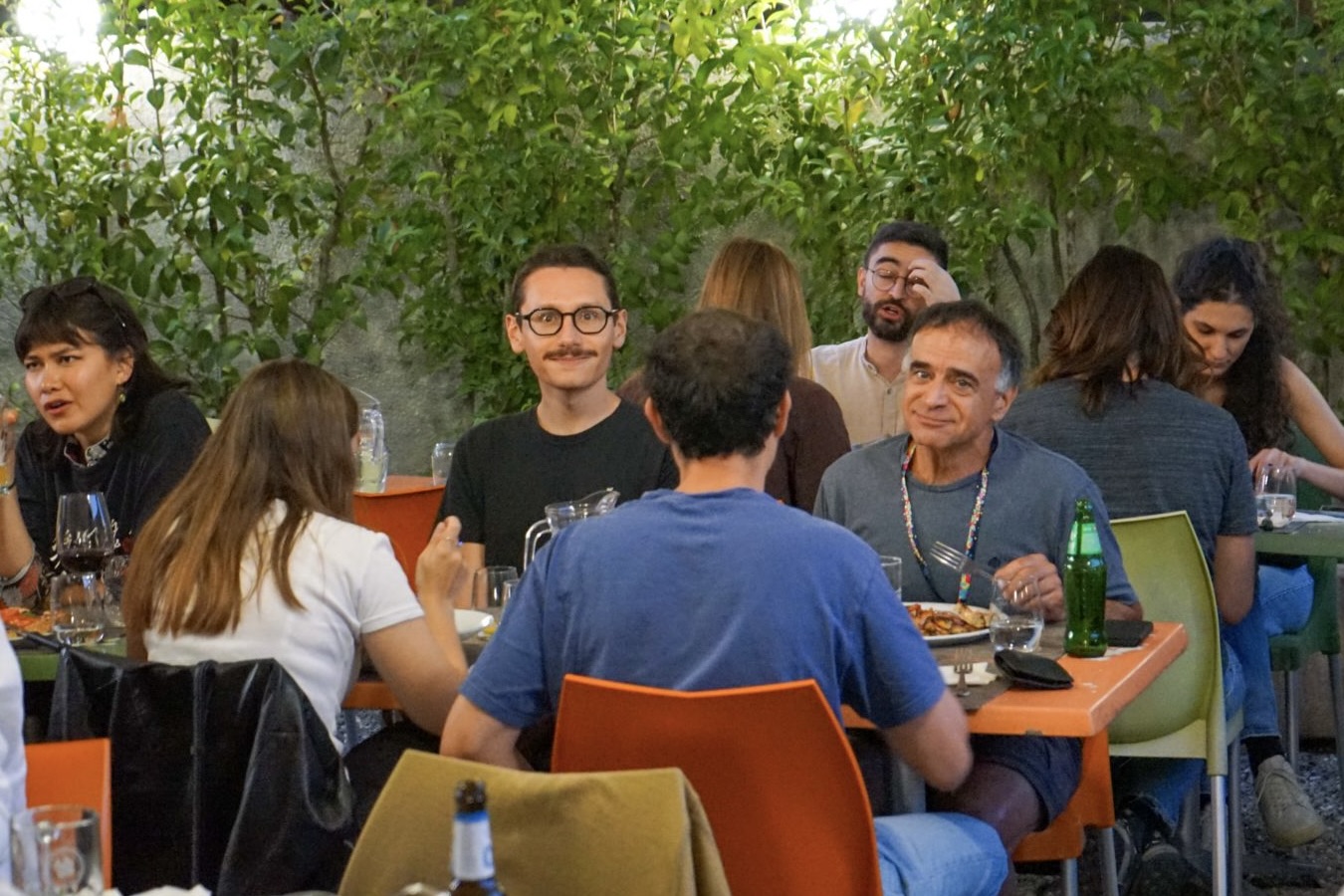
School dinner. Jacopo Fanini (doctoral student) and Carlos Lourenço (co-chair or the program committee) 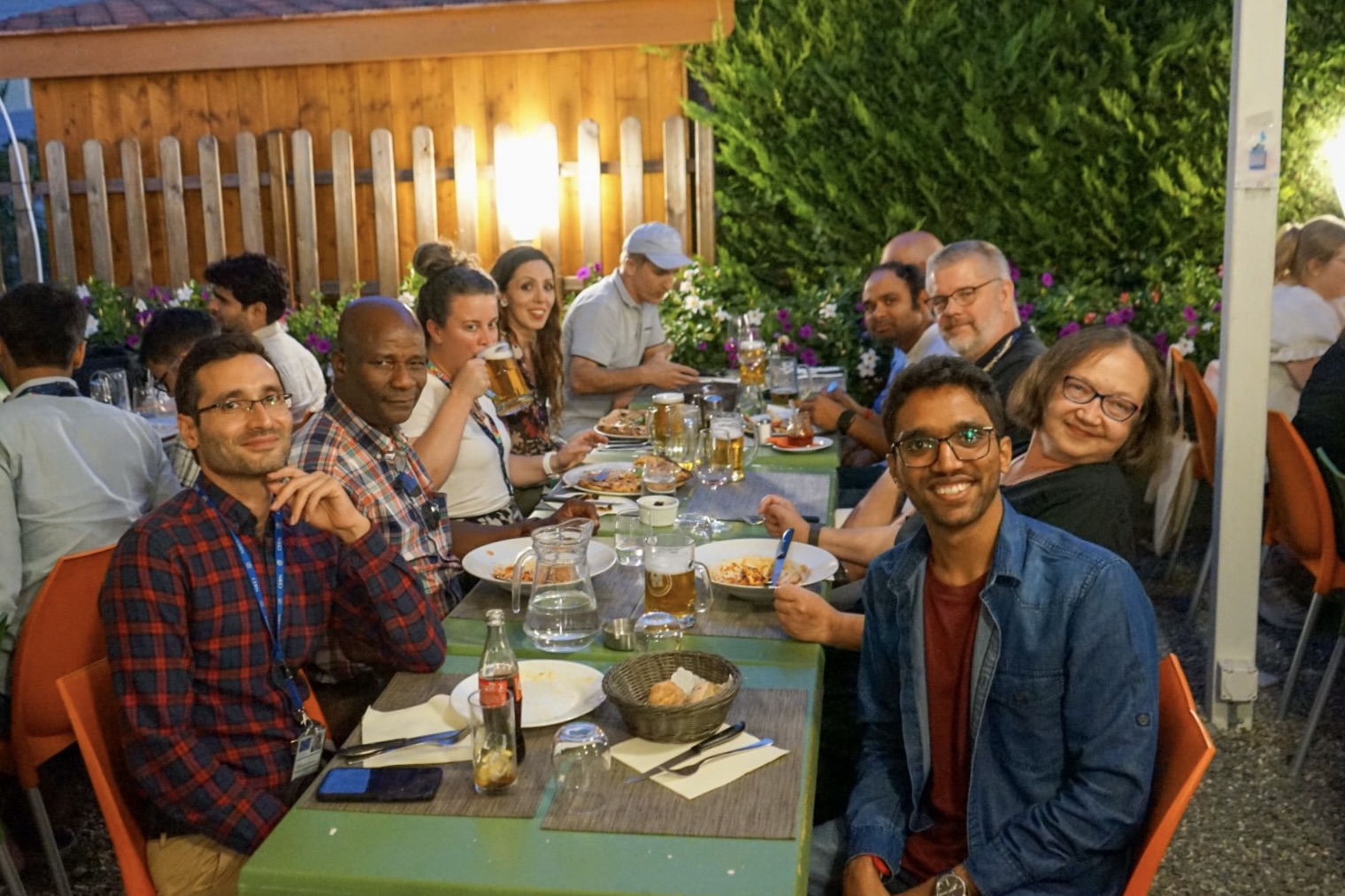
School dinner. ECOI team in charge with visits and coms: Claire Adam, Reza Jafariseyedabad and Sathwik Prabhu Alake. 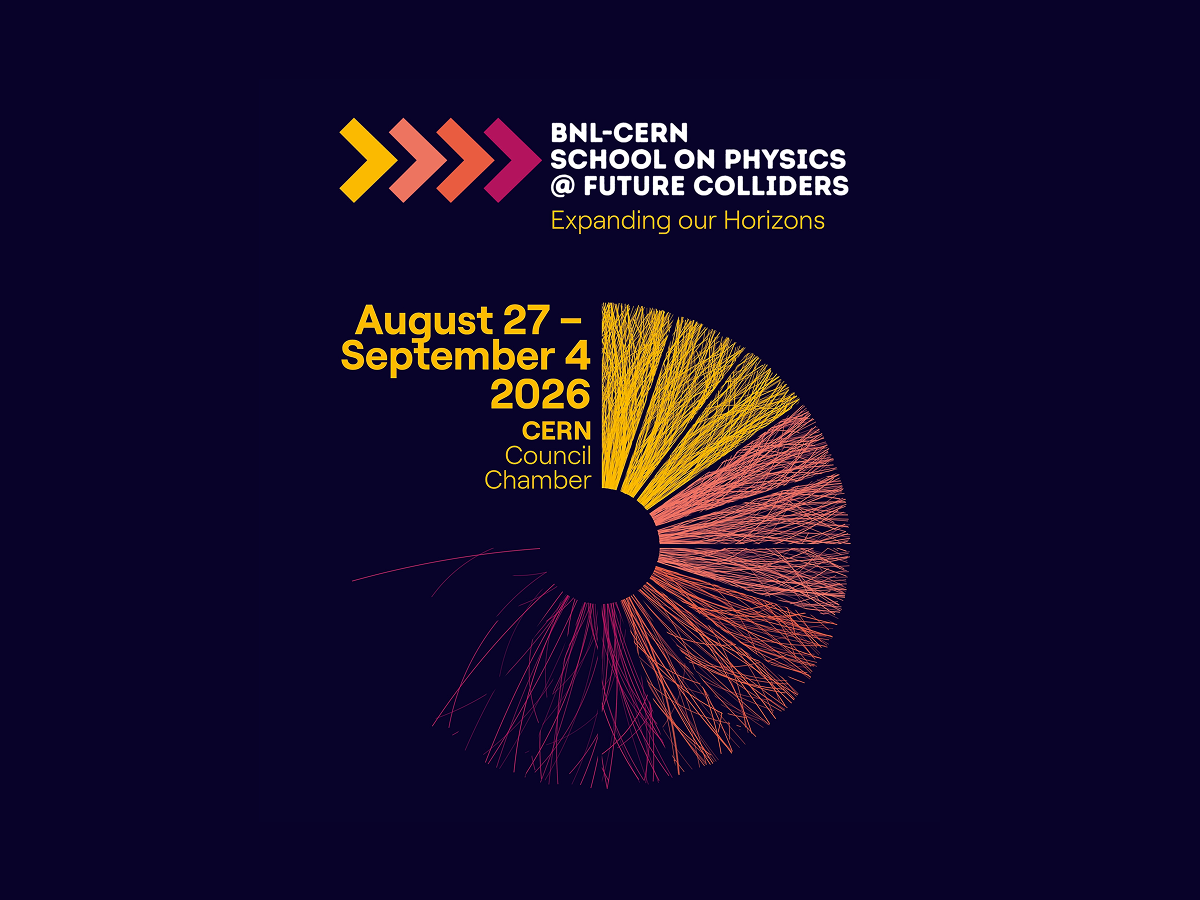
BNL-CERN School Poster